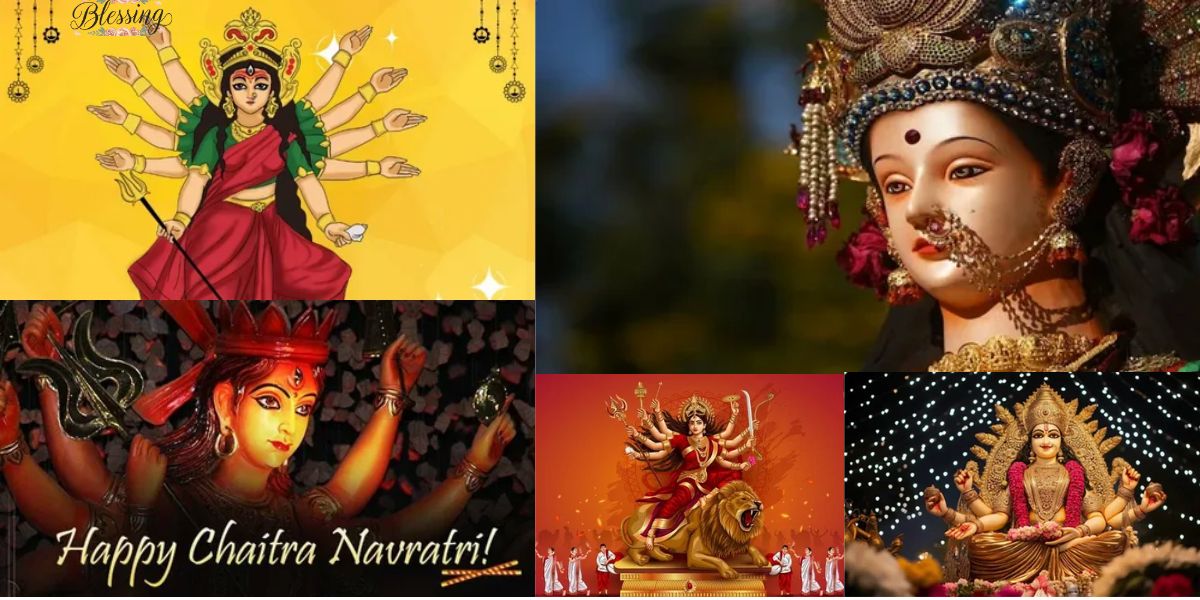
Chaitra Navratri 2026 is one of the most sacred Hindu festivals celebrating Goddess Durga and her nine divine forms. This spring festival marks the Hindu New Year and falls in the Chaitra month as per the Hindu lunar calendar. Devotees across India observe fasting, prayer, and worship during these nine auspicious days.
Chaitra Navratri 2026 Ghatasthapana Exact Muhurat Timing
Ghatasthapana muhurat for Chaitra Navratri 2026 falls on March 19, 2026. The auspicious time begins after sunrise during Pratipada Tithi.
According to the Hindu Panchang, the ideal window is between 6:15 AM and 10:20 AM. Performing Kalash Sthapana within this muhurat ensures maximum divine blessings and prosperity.
Chaitra Navratri 2026 Start and End Date
- When does Chaitra Navratri start in 2026? The festival begins on Thursday, March 19, 2026
- It concludes on Friday, March 27, 2026, completing nine days of devotion
- The celebration starts on Pratipada Tithi of Shukla Paksha in the Chaitra month
- The final day is celebrated as Ram Navami, honoring the birth of Lord Shri Rama
- This is why the festival is also called Rama Navratri and Vasanta Navratri
- Devotees plan their rituals according to these exact dates for maximum spiritual purification
- The Hindu lunar calendar determines these dates annually
- Chaitra Navratri marks the spiritual start of the Hindu New Year
Ghatasthapana Muhurat for Chaitra Navratri 2026
When is Ghatasthapana in 2026? The ritual will be performed on March 19, 2026 (Thursday). Ghatasthapana muhurat is the most important time for Kalash Sthapana.
It should always be done morning after sunrise during Pratipada Tithi. When does Pratipada Tithi begin? It starts on March 18, 2026, in the evening.
The Tithi ends on March 19, 2026, at night. Performing Ghatasthapana at the correct time brings prosperity, peace, and divine blessings. This ritual marks the invocation of Maa Durga and symbolizes spiritual growth.
Read More: Muramalla Temple Darshan & Nitya Kalyanam Booking 2026 – Timings, Poojas & Festivals
Religious Importance of Chaitra Navratri
What is Chaitra Navratri spiritually? It represents the victory over evil and the awakening of divine feminine energy called Shakti.
The festival is highly auspicious for new beginnings and self-discipline. Devotees seek negativity removal and inner strength through dedicated worship. Chaitra Navratri cleanses both mind and body spiritually.
It’s the perfect time to start a disciplined lifestyle with hope and renewal. The nine forms of Navdurga bless devotees with grace and positivity. This sacred period strengthens faith and devotion toward Goddess Durga.
Nine Days of Chaitra Navratri 2026: Goddess, Tithi, and Colour
- Day 1 – March 19 (Pratipada): Maa Shailputri is worshipped on the first day with yellow color symbolizing happiness and optimism. Devotees perform Ghatasthapana, Lighting Akhand Jyoti, and sowing near the Kalash for prosperity.
- Day 2 – March 20 (Dwitiya): Maa Brahmacharini is honored with green color reflecting growth, wisdom, and inner peace. She is the goddess of devotion, and Durga Saptashati recitation, along with fasting, strengthens willpower and spiritual focus.
- Day 3 – March 21 (Tritiya): Maa Chandraghanta is worshipped with grey color, promoting balance and stability. She represents courage and bravery, removes negativity, and provides protection and peace to devotees.
- Day 4 – March 22 (Chaturthi): Maa Kushmanda is celebrated with orange color reflecting energy, enthusiasm, and vitality. She is the creator of the universe, and a visit to the temple on this day enhances physical and mental strength significantly.
- Day 5 – March 23 (Panchami): Maa Skandamata is honored with white color symbolizing peace, purity, and calmness. She is the goddess of motherhood, carrying Lord Kartikeya, and chanting mantras brings grace and blessings.
- Day 6 – March 24 (Shashthi): Maa Katyayani is worshipped with red color representing power, courage, and protection. She is a fierce warrior in ensuring victory over evil, and observing vrat brings immense spiritual benefits.
- Day 7 – March 25 (Saptami): Maa Kalaratri is honored with royal blue color symbolizing depth and divine power. She destroys darkness and ignorance, grants inner strength, and eliminates all negative forces confidently.
- Day 8 – March 26 (Ashtami): Maa Mahagauri is celebrated with pink color, spreading love, kindness, and compassion. This auspicious day is perfect for Kanya Puja, and fasting with devotion purifies the soul completely.
- Day 9 – March 27 (Navami): Maa Siddhidatri is worshipped with purple color, enhancing spirituality and fulfillment. When is Ram Navami 2026? It falls on this day, and Ram Navami Celebration honors Lord Shri Rama, marking Navratri worship completion.
Why Wearing Navratri Colours Is Important
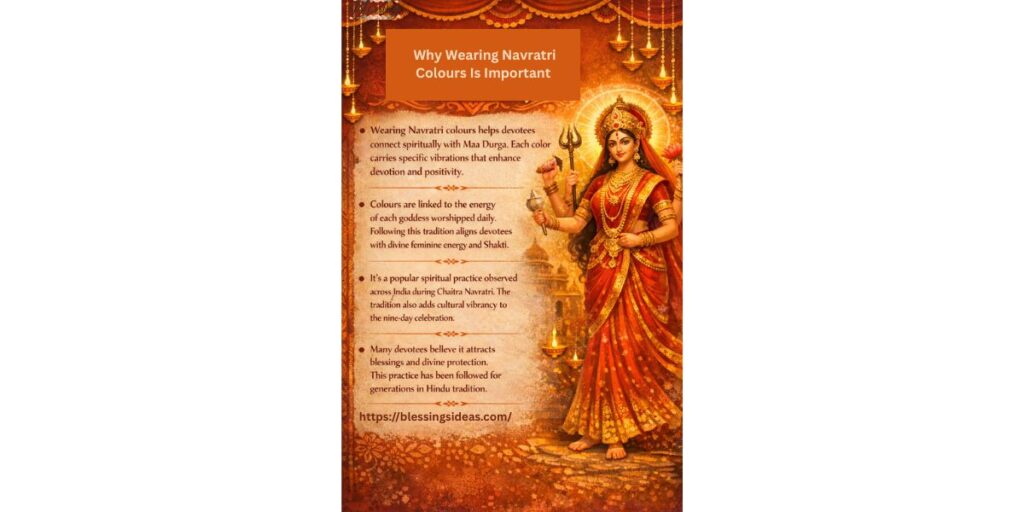
Wearing Navratri colours helps devotees connect spiritually with Maa Durga. Each color carries specific vibrations that enhance devotion and positivity.
Colors are linked to the energy of each goddess worshipped daily. Following this tradition aligns devotees with divine feminine energy and Shakti.
It’s a popular spiritual practice observed across India during Chaitra Navratri. The tradition also adds cultural vibrancy to the nine-day celebration.
Many devotees believe it attracts blessings and divine protection. This practice has been followed for generations in Hindu tradition.
What to Eat and Avoid During Navratri Vrat: Complete Food Guide
Navratri vrat food includes fruits, milk, sabudana, and sendha namak. Devotees can eat kuttu flour, singhara flour, and sweet potatoes during fasting.
Grains, onions, garlic, and non-vegetarian food must be strictly avoided. Eating light, sattvic food keeps the body energized and the mind spiritually focused.
Chaitra Navratri 2026 Rituals and Traditions
Chaitra Navratri rituals include Ghatasthapana, fasting, and daily worship. Devotees follow strict traditions to honor Goddess Durga with devotion.
Akhand Jyoti is lit and kept burning for nine days. Barley seeds sown near the Kalash symbolize growth and abundance.
These rituals purify the home and invite prosperity and peace. Daily Devi Puja with flowers, incense, and lamps is essential.
The final day celebrates Ram Navami with grand prayers and bhajans. Each ritual holds deep spiritual significance in Hindu culture.
Ghatasthapana and Akhand Jyoti
Ghatasthapana marks the formal beginning of Navratri worship. The Kalash Sthapana ritual is performed the morning after sunrise on Pratipada Tithi.
A sacred pot (Kalash) is filled with water and decorated with mango leaves. Barley seed sowing is done around the Kalash for prosperity.
Lighting Akhand Jyoti (continuous lamp) is another key ritual. The lamp burns for all nine days without extinguishing.
This symbolizes the eternal presence of divine energy. Devotees believe it brings blessings, protection, and positive energy.
Fasting and Vrat
Fasting during Chaitra Navratri is observed for spiritual purification. Some devotees follow nirjala vrat (without water), while others consume light food.
Vrat food typically includes fruits, milk, and specific grains like sabudana. Observing vrat brings mental clarity, discipline, and inner strength.
Fasting is believed to cleanse the body and mind. Devotees avoid grains, onions, garlic, and non-vegetarian food.
Prayer and meditation complement the fasting practice. This helps devotees focus on spiritual growth and devotion.
Daily Devi Puja
Daily Devi Puja is performed to honor the specific goddess of each day. Devotees offer flowers, incense, lamps, and fruits to Maa Durga.
Chanting mantras from Durga Saptashati is highly auspicious. Each day’s worship follows traditional Vedic rituals.
Temple visits are common among devotees seeking blessings. Many families create a small altar at home for daily prayers.
Worship strengthens the bond between devotee and deity. This practice brings peace, positivity, and divine grace.
Ram Navami Celebration
Ram Navami falls on the ninth day of Chaitra Navratri. It celebrates the birth of Lord Shri Rama on March 27, 2026.
Temples organize special pujas, bhajans, and kirtans throughout the day. Devotees read and recite the Ramayana with devotion.
Ram Navami Celebration is marked by grand processions and cultural programs. Many people observe fasting and visit Rama temples.
This day holds immense spiritual and religious significance. It symbolizes the triumph of righteousness and dharma.
Chaitra Navratri Mantras for Each Day
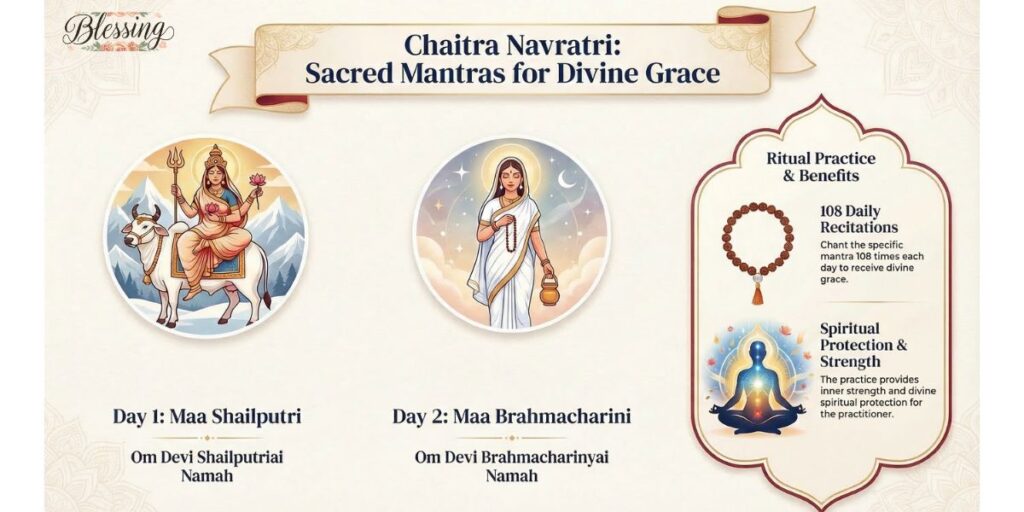
Each day of Chaitra Navratri has a specific mantra dedicated to the goddess worshipped. Day 1 mantra for Maa Shailputri is “Om Devi Shailputriai Namah.”
Day 2 mantra for Maa Brahmacharini is “Om Devi Brahmacharinyai Namah.” Chanting each mantra 108 times daily brings divine grace, inner strength, and spiritual protection.
How to Perform Ghatasthapana Step-by-Step at Home
First, clean the puja area and spread a layer of soil on a wide plate. Sow barley seeds in the soil and place the Kalash filled with holy water on top.
Decorate the Kalash with mango leaves, a coconut, and a red thread. Finally, light the Akhand Jyoti and invoke Maa Durga with the Ghatasthapana mantra.
Importance of Navratri Colours in Chaitra Navratri 2026
Each Navratri colour carries unique spiritual vibrations and meanings. Yellow represents happiness, optimism, and new beginnings.
Green symbolizes harmony, growth, and wisdom. Grey promotes balance, calmness, and stability. Orange reflects enthusiasm, energy, and vitality.
White signifies peace, purity, and clarity. Red shows power, courage, and protection. Royal blue represents divine wisdom and depth.
Pink spreads love, kindness, and compassion. Purple enhances spirituality, fulfillment, and enlightenment. Wearing these colors strengthens the connection with Goddess Durga.
It also brings positivity and blessings into daily life. This tradition is followed devotedly across India during Chaitra Navratri.
Common Mistakes to Avoid During Chaitra Navratri Worship
- Don’t perform Ghatasthapana after the muhurat window
- Never let the Akhand Jyoti go out
- Avoid onion, garlic, and regular salt during vrat
- Don’t wear black on Navratri days
- Never skip daily mantra chanting
- Avoid heavy meals when breaking your fast
- Don’t leave the Kalash unattended
- Never worship without taking a bath first
- Avoid arguments and negative thoughts
- Don’t use grain flour, use kuttu or singhara only
Regional Observance of Chaitra Navratri Across India
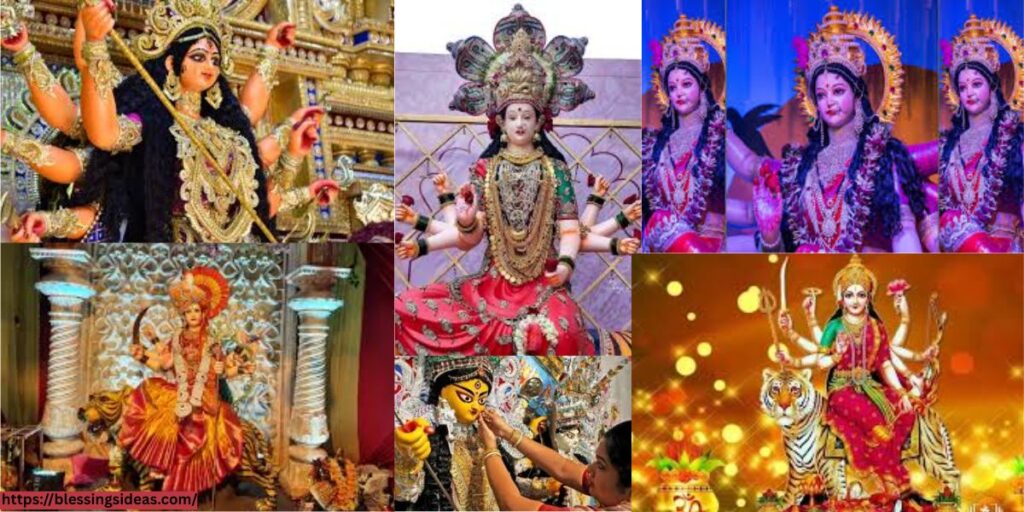
Chaitra Navratri is celebrated differently across various regions of India. The core devotion to Maa Durga remains the same everywhere.
Regional traditions add unique cultural flavors to the festival. In North India, Maharashtra, Andhra Pradesh, and Telangana, celebrations vary beautifully.
Each region blends local customs with Navratri rituals. This diversity makes Chaitra Navratri a truly pan-Indian celebration.
Devotees from all regions seek blessings, prosperity, and spiritual growth. The festival unites India in faith and devotion.
Chaitra Navratri in North India
In North India, devotees observe strict fasting and daily temple visits. Jagrans, satsangs, bhajans, and kirtans are organized in homes and temples.
Performing Ghatasthapana on the first day is a common practice. The focus remains on prayer, devotion, and spiritual discipline.
Many families create elaborate home altars for worship. Lighting Akhand Jyoti and chanting mantras are essential rituals.
Devotees wear traditional attire and Navratri colours daily. The atmosphere is filled with devotion, peace, and positivity.
Chaitra Navratri in Maharashtra
Chaitra Navratri in Maharashtra coincides with Gudi Padwa. Gudi Padwa marks the Marathi New Year celebration. Homes are decorated, and the Gudi flag is raised symbolically.
This represents victory, prosperity, and new beginnings. Special traditional dishes are prepared and offered to Goddess Durga.
It’s a blend of Navratri devotion and New Year celebrations. Families come together to seek blessings for the coming year. The festival brings renewal, hope, and cultural pride.
Chaitra Navratri in Andhra Pradesh and Telangana
In Andhra Pradesh and Telangana, Chaitra Navratri aligns with Ugadi. Ugadi is the Telugu New Year celebration. Devotees begin the year by seeking blessings from Maa Durga.
Ugadi Pachadi is prepared, symbolizing life’s different experiences. Temples witness special prayers and cultural programs during this time.
The festival marks a fresh spiritual and personal start. Families perform pujas at home and visit temples. This combination makes the celebration doubly auspicious and meaningful.
Spiritual Meaning of Regional Celebrations
Regional celebrations show unity in devotion despite cultural differences. Chaitra Navratri connects the festival with New Year traditions nationwide.
It encourages families to start the year with positivity and faith. The diversity highlights India’s rich cultural and spiritual heritage.
Each region honors Goddess Durga while preserving local customs. This blend of tradition and devotion strengthens community bonds.
The festival promotes spiritual purification, renewal, and collective blessings. It’s a beautiful example of unity in diversity.
Read More: Srikalahasti Rahu Ketu Puja 2026: Timings, Ticket Price, Online Booking & Complete Guide
Comparison Table: Chaitra Navratri vs Sharad Navratri
| Aspect | Chaitra Navratri | Sharad Navratri |
| Time Period | Chaitra month (March-April) | Ashwin month (September-October) |
| Season | Spring festival | Autumn festival |
| Also Known As | Vasanta Navratri, Rama Navratri | Maha Navratri |
| Final Day | Ram Navami (birth of Lord Shri Rama) | Vijayadashami (Dussehra) |
| Regional Focus | North India, Maharashtra, Andhra Pradesh, Telangana | Pan-India, especially West Bengal, Gujarat |
| Associated Festival | Gudi Padwa, Ugadi | Durga Puja, Garba, Dandiya |
| Primary Goddess | Goddess Durga (nine forms of Durga) | Goddess Durga (Navdurga) |
| Spiritual Significance | Hindu New Year, new beginnings, spiritual growth | Victory over evil, triumph of good |
| Fasting Practice | Observing vrat, nirjala vrat, vrat food | Similar fasting traditions |
| Key Ritual | Ghatasthapana, Kalash Sthapana, Akhand Jyoti | Ghatasthapana, Kanya Puja |
| Cultural Activity | Bhajans, kirtans, temple visit | Garba, Dandiya, cultural dances |
Personal Opinion and Requirements
Chaitra Navratri offers a beautiful opportunity for self-reflection and devotion. The nine-day journey with Goddess Durga teaches discipline and spiritual awareness. Wearing the designated Navratri colours enhances the festive spirit genuinely. Families should celebrate together to strengthen bonds and faith. This festival truly marks a fresh beginning filled with hope and divine blessings.
Frequently Asked Questions
When will Chaitra Navratri begin in 2026?
Chaitra Navratri will start on Thursday, March 19, 2026, and end on Friday, March 27, 2026.
What is the best time for Ghatasthapana in 2026?
Ghatasthapana should be performed the morning after sunrise on March 19, 2026, during Pratipada Tithi.
Which goddess is worshipped on the first day of Navratri?
Maa Shailputri is worshipped on the first day, and the color is yellow.
Is fasting compulsory during Chaitra Navratri?
Fasting is optional but widely observed for spiritual purification and devotion to Goddess Durga.
When is Ram Navami during Chaitra Navratri 2026?
Ram Navami falls on March 27, 2026, the ninth and final day of Chaitra Navratri.
Conclusion
Chaitra Navratri 2026 is a deeply spiritual and auspicious festival. It begins on March 19, 2026, and concludes on March 27, 2026. Devotees honor the nine forms of Durga through fasting, worship, and rituals. Performing Ghatasthapana at the correct muhurat brings prosperity and peace. Wearing Navratri colours strengthens the connection with the divine feminine energy. Regional celebrations like Gudi Padwa and Ugadi add cultural richness.

Alich, a skilled content writer with 3+ years of experience, known for creating clear guides and 1000+ published articles across multiple niches.