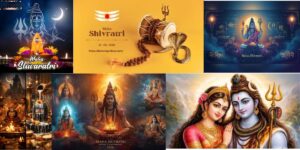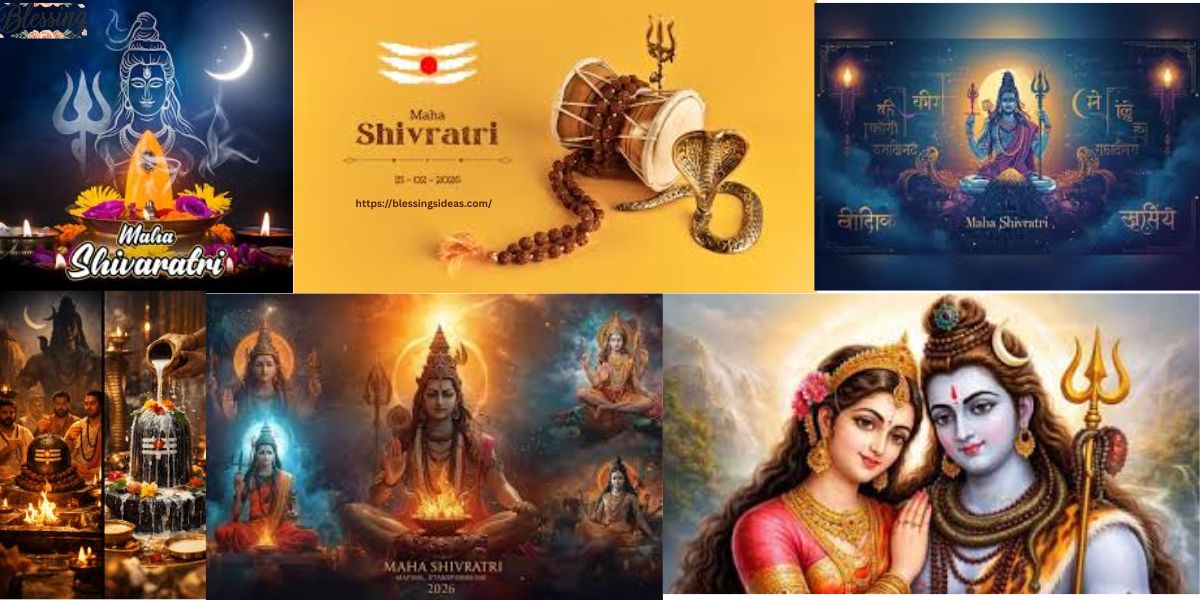
Maha Shivratri 2026 falls on Sunday, February 15. It is the most sacred night for Lord Shiva puja in the entire Hindu calendar. At Blessingsideas, we give you the exact timings, rituals, and fasting rules to observe this divine night fully.
What Is Maha Shivratri and Why Is It So Important?
Maha Shivratri is known as the “Great Night of Shiva. It is observed annually on the Phalguna Krishna Chaturdashi tithi.
Unlike most Hindu festivals celebrated during the day, Maha Shivratri is a night-long vigil of fasting, meditation, and devotion.
The Shiva Purana describes this night as the time when Lord Shiva’s cosmic energy is most accessible on Earth.
Devotees believe that sincere worship on this night cleanses karma and grants divine blessings. The Shiva tandava, Shiva’s cosmic dance of creation and destruction, is also associated with this sacred night.
This night is also celebrated as the divine union of Shiva and Shakti. It represents the balance between masculine and feminine cosmic energies.
That is why the festival holds deep spiritual meaning across India, Nepal, and the global Hindu community.
The difference between Shivratri and Maha Shivratri is simple. Shivratri occurs every month on Krishna Chaturdashi, twelve times a year.
Maha Shivratri happens only once a year in the Phalguna month and carries far greater spiritual power.
Maha Shivratri 2026 Date, Panchang & Key Timings
According to the Hindu calendar 2026 and Panchang February 2026, here are the confirmed details for this sacred night.
| Detail | Information |
|---|---|
| Festival Name | Maha Shivratri |
| Date | Sunday, February 15, 2026 |
| Tithi | Krishna Paksha Chaturdashi (Phalguna) |
| Paksha | Krishna Paksha |
| Nakshatra | Uttara Ashadha |
| Chaturdashi Tithi Begins | 5:04 PM, Feb 15, 2026 |
| Chaturdashi Tithi Ends | 5:34 PM, Feb 16, 2026 |
| Sunrise (New Delhi) | 6:59 AM |
| Sunset (New Delhi) | 6:11 PM |
| Nishita Kaal (Best Muhurat) | 12:09 AM – 1:01 AM (Feb 16) |
| Parana (Fast Breaking) | After Sunrise, Feb 16 |
The auspicious muhurat 2026 for Maha Shivratri is the Nishita Kaal timing, which falls in the deepest part of midnight.
This 51-minute window is considered the peak moment for Shiv abhishek and Rudra abhishek.
Four Prahar Puja Timings for Maha Shivratri 2026
The Shivratri four prahar puja schedule divides the entire night into four sacred worship windows. Each prahar lasts approximately three hours. Devotees performing the jagran night vigil complete puja in all four prahars.
| Prahar | Timing | Spiritual Significance |
|---|---|---|
| 1st Prahar | 6:11 PM – 9:23 PM | Purification of body and mind |
| 2nd Prahar | 9:23 PM – 12:35 AM | Strengthening faith and devotion |
| 3rd Prahar (Nishita Kaal) | 12:35 AM – 3:47 AM | Most auspicious — Nishita Kaal falls here |
| 4th Prahar | 3:47 AM – 6:59 AM | Awakening and spiritual realization |
The 3rd Prahar is considered the most powerful. This is when the Nishita Kaal falls, making it the ideal time for Shivalinga puja and chanting Om Namah Shivaya.
Completing all four prahars earns maximum spiritual merit. Performing even one prahar with full devotion is acceptable and beneficial.
Maha Shivratri Puja Vidhi — Step by Step
Performing the Lord Shiva puja correctly is essential. Follow this Shivratri vrat vidhi for a spiritually complete observance.
Before the Night Begins:
- Eat only once, simple sattvic food, the day before
- Wake up early on Feb 15 and take a bath
- Wear clean, preferably white or saffron clothes
- Take a Sankalp (वow of intent) to observe the fast
During the Night Puja:
- Cleanse the puja area and place a Shivalinga
- Perform Shiv abhishek, bathe the Shivalinga with water, milk, honey, curd, and Gangajal (Panchamrit)
- Offer bel patra (Bilva leaves) while chanting Om Namah Shivaya
- Offer dhatura, white flowers, and fruits
- Light diyas and incense sticks
- Chant the Maha Mrityunjaya Mantra during each prahar
- Observe the jagran night vigil , stay awake through the night
- Perform Rudra abhishek during the Nishita Kaal for maximum blessings
Morning After:
- Complete morning prayers on Feb 16
- Break the fast within the Parana time, after sunrise
Maha Shivratri Vrat (Fasting) Rules — What to Eat and What to Avoid
The Shivratri fast rules are well-defined in Hindu tradition. Here is a complete breakdown of Shivratri upvas guidelines.
What You Can Eat (Phalahar Foods)
The phalahar foods allowed during the Shivratri upvas include:
- Fresh fruits, bananas, apples, mangoes
- Milk, curd, and paneer
- Sabudana (tapioca pearls)
- Makhana (fox nuts)
- Dry fruits — almonds, cashews, raisins
- Kuttu (buckwheat) flour preparations
- Rock salt (sendha namak) only — not regular salt
What to Avoid
- Rice, wheat and all grains
- Lentils and pulses
- Onion and garlic
- Non-vegetarian food
- Regular table salt
- Processed or packaged foods
Some devotees observe a nirjala vrat , without water. This is the strictest form and considered highly meritorious. Others take fruits and milk. Both are valid. What matters more is your sincere intention and awareness.
The Shivratri prasad offered to Lord Shiva includes milk, bel patra, dhatura, and fruits. After the puja, this prasad can be distributed among family members.
Breaking the fast: The fast should be broken on February 16, 2026, after sunrise and after completing morning prayers.
This is called Parana. Ideally, break the fast before the Chaturdashi tithi ends at 5:34 PM on Feb 16.
Read More: Rudransh Name Meaning, Origin, Numerology & Vedic Astrology — Complete 2026 Guide
Maha Shivratri 2026 vs Monthly Shivratri — Comparison Table
Many devotees ask about the difference between Shivratri and Maha Shivratri. Here is a side-by-side comparison.
| Feature | Maha Shivratri | Monthly Shivratri |
|---|---|---|
| Frequency | Once a year (Phalguna month) | 12 times a year |
| Tithi | Krishna Chaturdashi, Phalguna | Krishna Chaturdashi, every month |
| Spiritual Power | Highest of all Shivratris | Moderate |
| Night Vigil | Essential and strongly recommended | Optional |
| Four Prahar Puja | Traditional and most meritorious | Optional |
| Fasting Intensity | Nirjala or phalahar | Light fasting acceptable |
| Global Celebration | India, Nepal, worldwide | Primarily personal observance |
| Scriptural Backing | Shiva Purana, Skanda Purana, Linga Purana | General Panchang tradition |
Maha Shivratri 2026 Celebrations Across India and Nepal
Shivratri celebration India takes many forms depending on the region. The regional Shivratri customs vary widely but share one common thread, deep devotion to Lord Shiva.
Varanasi (Kashi Vishwanath Temple): This is the most famous Maha Shivratri celebration. Lakhs of devotees arrive for the all-night Abhishek of the Jyotirlinga. Shivratri mandir timings here extend through the entire night.
Mahakaleshwar Temple, Ujjain: One of the 12 Jyotirlingas, this temple draws massive crowds. Special pujas and bhasma aarti are performed throughout the night.
Somnath and Baidyanath Dham: Both temples conduct four-prahar Rudra Abhishek with Vedic chanting.
Maha Shivratri Nepal: The Pashupatinath Temple in Kathmandu is the grandest celebration outside India. Millions of pilgrims gather here annually. Nepal observes this as a national religious event.
New Delhi puja time for the Nishita Kaal is 12:09 AM to 1:01 AM. Timings vary slightly by city based on local sunrise calculations. Always consult your local Panchang for city-specific shubh muhurat February 2026 timings.
Read More: Sunrise and Sunset Time in Varanasi Today — Complete Panchang Guide
Personal Experience and Recommendation from BlessinsIdeas
I have personally observed Maha Shivratri for many years, and the Nishita Kaal is always the most powerful moment. My honest recommendation, even if you can only observe one prahar, choose the Nishita Kaal. Start with a sincere Sankalp, offer bel patra, and chant Om Namah Shivaya 108 times. You will feel the difference.
Frequently Asked Questions
When is Maha Shivratri in 2026?
Maha Shivratri 2026 falls on Sunday, February 15, 2026, on the Phalguna Krishna Chaturdashi tithi.
What is the best time to do puja on Maha Shivratri 2026?
The most auspicious time is Nishita Kaal — from 12:09 AM to 1:01 AM on February 16 (calculated for New Delhi / IST).
What are the four Prahar timings for Shivratri 2026?
The prahars are: 1st (6:11 PM – 9:23 PM), 2nd (9:23 PM – 12:35 AM), 3rd (12:35 AM – 3:47 AM), 4th (3:47 AM – 6:59 AM). The 3rd Prahar includes the peak Nishita Kaal window.
Is Maha Shivratri a fasting day?
Yes. Devotees observe a Shivratri upvas from sunrise on Feb 15 through morning of Feb 16. Phalahar foods like fruits, milk, and sabudana are permitted. Nirjala vrat (no water) is the strictest form.
When should the Shivratri fast be broken?
Break the fast on the morning of February 16, 2026, after sunrise and after completing morning puja, but before 5:34 PM when the Chaturdashi tithi ends.
Conclusion
Maha Shivratri 2026 is a rare opportunity to connect with the divine energy of Lord Shiva. The festival falls on Sunday, February 15, 2026, making it accessible for most devotees. The Nishita Kaal from 12:09 AM to 1:01 AM is the most auspicious time for Shiv abhishek, Rudra abhishek, and heartfelt prayer.Follow the Shivratri vrat vidhi with sincerity, offer bel patra, chant Om Namah Shivaya.

Alich, a skilled content writer with 3+ years of experience, known for creating clear guides and 1000+ published articles across multiple niches.