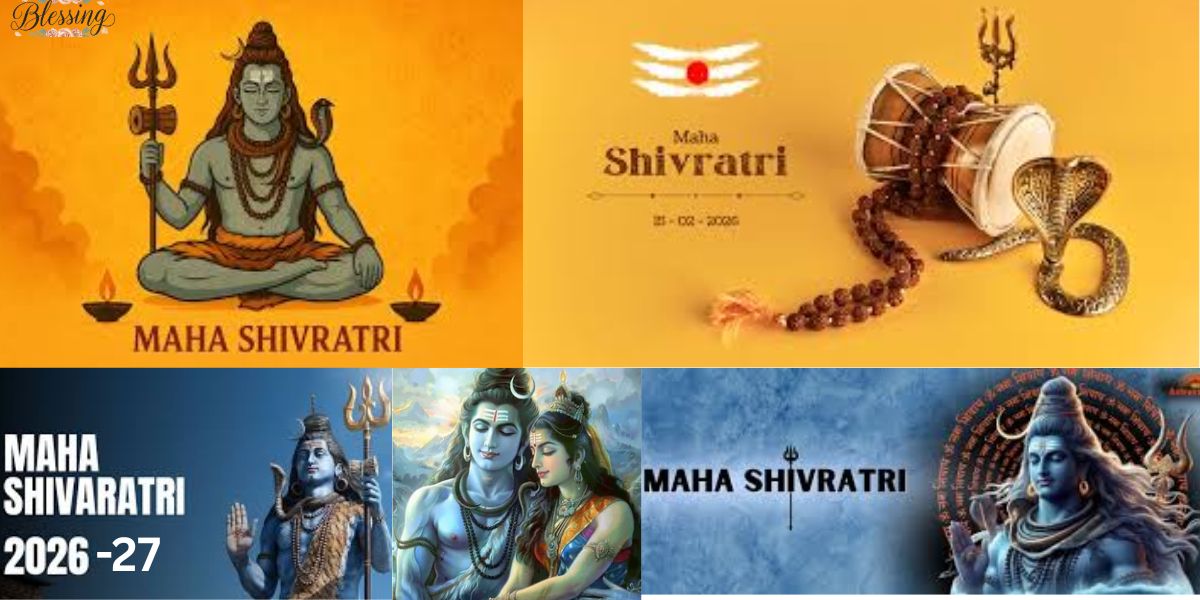
Maha Shivaratri is one of the most sacred Hindu festivals dedicated to Lord Shiva worship. This Hindu religious festival falls on Krishna Paksha Chaturdashi in the Phalguna month. Devotees observe vrat fasting, perform the Abhishekam ritual, and participate in night-long worship. The festival symbolizes spiritual awakening and inner transformation through devotion and meditation.
Maha Shivaratri 2026 and 2027 Date and Day
The Maha Shivaratri festival follows the Hindu lunar calendar each year. When is Maha Shivaratri in 2026? It falls on Sunday, February 15, 2026. When is Shivaratri 2027? The festival will be observed on Saturday, March 6, 2027. The auspicious midnight timing known as Nishita Kaal timing is considered ideal for Lord Shiva celebration.
Read More: Kal Bhairav Temple Varanasi Timings, Aarti Time, Darshan Guide
Understanding the Lunar Calendar System
The date changes annually based on the lunar cycle. Krishna Paksha Chaturdashi marks the 14th day of the waning moon. This occurs in the Phalguna month of the Hindu calendar. The Hindu lunar calendar determines the exact festival timing each year.
Best Time for Shiva Puja
When should I do the Shiva puja during this festival? Nishita Kaal occurs around midnight and is most sacred. This period lasts approximately one hour during the night. Devotees perform prahar puja during this auspicious window for maximum spiritual benefits.
Meaning and Spiritual Significance of Maha Shivaratri
What does Maha Shivaratri mean in Hindu tradition? The name translates to “The Great Night of Shiva.” The festival celebrates the divine union of Shiva and Parvati’s marriage. This represents the perfect consciousness and energy union in spiritual philosophy. The Shivaratri spiritual significance connects devotees to higher consciousness and divine energy.
The Divine Marriage of Shiva and Parvati
Goddess Parvati married Lord Shiva on this sacred night. Their union symbolizes the balance of masculine and feminine energies. This marriage represents the creation and transformation cycle of the universe. Devotees celebrate this divine relationship through prayers and rituals.
The Cosmic Tandava Dance
Lord Shiva performed the Tandava dance on this night. This cosmic dance represents creation, preservation, and destruction. The dance embodies the eternal creation and transformation cycle. It symbolizes the rhythm of the universe and cosmic energy.
Spiritual Awakening and Self-Realization
The night offers unique opportunities for spiritual awakening and growth. Meditation practices become more powerful during this sacred time. Devotees experience mind and body purification through focused worship. The festival encourages devotion and spiritual growth in all practitioners.
Why Fasting Is Observed on Maha Shivaratri
Fasting helps achieve mind and body purification during worship. Shivaratri fasting rules vary based on individual capacity and health.

The practice reduces physical distractions and enhances spiritual focus. Vrat fasting demonstrates dedication and self-control in devotion to Lord Shiva.
Physical and Spiritual Benefits
Fasting cleanses the body and calms the restless mind. It helps devotees maintain focus during night-long worship sessions.
The practice builds mental discipline and spiritual strength. Physical abstinence creates space for deeper meditation practices and prayer.
No Compulsory Rules
What to eat during fasting depends on personal health conditions. There are no strict mandatory rules for everyone.
Children, the elderly, and pregnant women can adjust accordingly. Devotion and spiritual growth matter more than rigid fasting protocols.
Common Types of Maha Shivaratri Fast
Different fasting methods suit different devotees and their capabilities. How to observe Maha Shivaratri varies by personal choice and tradition. Some choose complete abstinence while others prefer partial fasting. Understanding options helps devotees select the right approach.
Nirjala Fast – Complete Abstinence
Nirjala strict fasting means no food or water consumption. This is the most rigorous form of fasting. Only those in good health should attempt this method. When to break Shivaratri fast? The next morning after sunrise prayers.
Phalahar Fast – Fruit-Based Diet
This allows consumption of fruits, milk, and water only. It provides energy while maintaining spiritual discipline. What to eat during Shivaratri fast includes bananas, apples, and dairy. This option suits most healthy adults comfortably.
Milk Fast – Dairy Only
Devotees consume only milk and water throughout the day. This provides nutrition while honoring the fasting tradition. Milk is considered pure and sacred in Hindu culture. It offers sustenance during night-long worship vigils.
Single Meal Fast – Partial Fasting
One satvik food meal is consumed after evening prayers. This option works well for working professionals. The meal should be simple, light, and vegetarian. It balances devotion with practical health needs.
Foods Allowed and Avoided During Shivaratri Fast
Pure satvik meals maintain spiritual purity during the festival. Certain foods enhance meditation while others create disturbances.

What to eat during a fast should align with traditional guidelines. Proper food choices support both physical health and spiritual practice.
Satvik Food Principles
Satvik food is pure, light, and easily digestible. It includes fresh fruits, nuts, and dairy products. These foods promote mental clarity and calmness. They support meditation practices without causing heaviness or lethargy.
Energy-Sustaining Options
Fruits like bananas provide quick energy during fasting. Milk and curd offer protein and essential nutrients. Makhana (fox nuts) and dry fruits provide sustained energy. These help devotees maintain strength during the jaagran night vigil.
Read More:Konark Sun Temple Light & Sound Show 2026: Complete Guide to Booking, Prices, Timings & Visitor Tips
Allowed and Avoided Foods on Maha Shivaratri
| Allowed Foods | Reason | Avoided Foods | Reason |
| Fresh fruits | Easy to digest | Rice and wheat | Heavy grains |
| Milk and curd | Pure and nourishing | Onion and garlic | Tamasic properties |
| Sabudana | Traditional vrat food | Non-vegetarian | Against spiritual purity |
| Makhana and nuts | Energy and protein | Alcohol and tobacco | Intoxicating substances |
| Potatoes | Filling and permitted | Spicy and oily food | Disturbs meditation |
| Bottle gourd | Light vegetable | Processed foods | Artificial ingredients |
Why Certain Foods Are Prohibited
Onion and garlic increase restlessness and disturb meditation. Grains like rice and wheat are heavy on digestion. Non-vegetarian food contradicts the principle of non-violence. Spicy foods create heat and mental agitation during worship.
Health Considerations for Vulnerable Groups
Pregnant women should consult doctors before strict fasting. Elderly people can choose milder fasting options safely. Children under 12 typically don’t need to fast. Those with medical conditions should prioritize health over strict rules.
Maha Shivaratri Puja Vidhi at Home
Shivaratri puja at home is simple and deeply meaningful. Clean your prayer space and gather necessary items beforehand. Observing Maha Shivaratri with proper rituals brings blessings. Even basic worship performed with devotion yields spiritual benefits.
Preparation and Setup
Wake up early and take a purifying bath. Clean the Shiva Lingam or picture with water. Arrange flowers, incense, and Bel Patra leaves nearby. Create a peaceful atmosphere for focused worship and prayer.
The Abhishekam Ritual
What is the Abhishekam ritual, and how to perform it? Pour water, milk, honey, and curd over the Shiva Lingam. Chant Om Namah Shivaya or other Shiva mantras continuously. Offer a sacred Bel Patra offering with each pouring. This cleanses negative energies and invokes divine blessings.
Essential Puja Items and Their Meanings
Water symbolizes purity and cleansing of the soul. Milk represents nurturing and devotion to the divine. Honey signifies sweetness and harmony in life. Bhasma (sacred ash) reminds us of life’s temporary nature.
Offerings to Lord Shiva
Bel Patra leaves are most dear to Lord Shiva. Offer fresh flowers, especially white or blue varieties. Light incense and oil lamps for positive energy. Place a rudraksha mala near the Shiva Lingam during worship.
Night Worship and Jaagran on Maha Shivaratri
Jaagran night vigil means staying awake throughout the entire night. This practice demonstrates commitment and spiritual discipline to Lord Shiva. Temples organize community bhajans and kirtans throughout the night. The vigil represents conquering sleep, ignorance, and spiritual darkness.
Four Prahar Puja Tradition
Four prahar pujas divide the night into equal parts. Each prahar lasts approximately three hours during nighttime. Devotees perform Abhishekam and prayers in each segment. This continuous worship maintains spiritual energy until sunrise.
Community Celebrations at Temples
Temples host collective bhajans and kirtans all night long. Vedic chants and Shiva Purana recitations fill the atmosphere. Devotees gather for temple darshan and group meditation. The collective energy enhances individual spiritual experiences significantly.
Staying Awake with Purpose
The vigil is not just about avoiding sleep. It’s about maintaining awareness and spiritual focus consistently. Engage in chanting, reading scriptures, or quiet meditation. The practice builds mental strength and devotional commitment.
Powerful Shiva Mantras to Chant on Maha Shivaratri
Mantra chanting amplifies spiritual energy during this sacred night. Om Namah Shivaya is the most universal Shiva mantra.
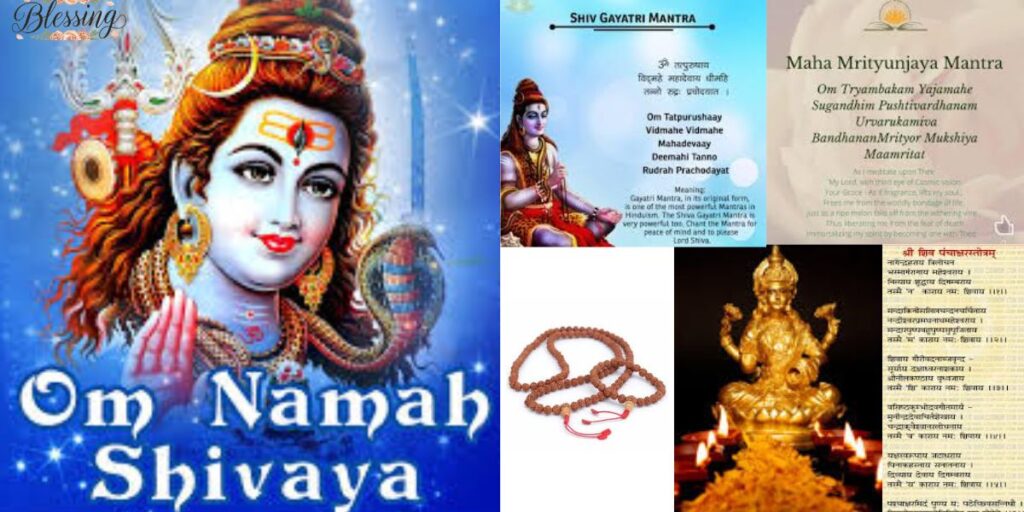
Maha Mrityunjaya Mantra protects from negativity and fear. Using a rudraksha mala enhances concentration during chanting sessions.
Om Namah Shivaya – The Panchakshari Mantra
This five-syllable mantra is simple yet extremely powerful. It means “I bow to Lord Shiva” in devotion. Chant it 108 times using a rudraksha mala. The mantra brings peace, clarity, and spiritual protection.
Maha Mrityunjaya Mantra
This mantra offers protection from illness, fear, and death. It promotes healing, health, and longevity in life. Chant it during Nishita Kaal for maximum effect. The vibrations create powerful positive energy around the devotee.
Shiva Panchakshara Stotra
This hymn praises the five sacred syllables of Shiva. It’s a beautiful devotional prayer in Sanskrit verses. Reciting it brings blessings and removes obstacles from life. The stotra enhances devotion and spiritual growth effectively.
Rudra Gayatri Mantra
This mantra invokes wisdom, strength, and spiritual elevation. It connects devotees to Shiva’s fierce protective energy. Chant it with proper pronunciation and focused intention. The mantra supports inner transformation and personal growth.
How Maha Shivaratri Is Celebrated Across India
India’s diverse regions celebrate this festival with unique traditions. Each state adds its cultural flavor to the Lord Shiva celebration. Temple darshan at famous Jyotirlinga temples attracts millions yearly. The common thread remains deep devotion and nighttime worship.
North India Celebrations
Major temples in Varanasi witness massive devotee gatherings overnight. Haridwar and Rishikesh organize grand Abhishekam ritual ceremonies. Devotees take holy dips in the Ganges River. Bhajans and kirtans echo through temple courtyards all night.
South India Traditions
Temples perform elaborate Abhishekam ritual with traditional protocols. Vedic chants accompany each ritual step precisely. Devotees observe strict vrat fasting throughout the day. The celebrations reflect ancient traditions and spiritual discipline.
Eastern India Observances
West Bengal and Odisha devotees visit Jyotirlinga temples eagerly. Communities organize cultural programs and spiritual discourses together. Shiva Purana recitation continues through the entire night. The celebrations blend devotion with cultural performances beautifully.
Western India Festivities
Somnath and Ujjain become spiritual hubs during Shivaratri. The Mahakaleshwar temple in Ujjain sees unprecedented crowds. Devotees perform prahar puja at designated night intervals. The atmosphere becomes charged with divine energy and devotion.
Importance of Maha Shivaratri in Modern Life
Modern life’s fast pace creates stress and mental exhaustion. This festival offers a pause for mind and body purification. Urban temples now organize community meditation practices and workshops. Technology enables live-streaming of rituals for global participation.
Mental Health and Stress Relief
The fasting practice provides a mental detox break. Meditation practices help reduce anxiety and improve focus. Night-long worship creates discipline and mental strength. Devotees report feeling refreshed and spiritually recharged afterward.
Digital Age Adaptations
Many temples now livestream their Abhishekam ritual ceremonies online. Apps provide guided meditation practices and mantra chanting sessions. Virtual sangat (community) connects devotees worldwide simultaneously. Technology makes Lord Shiva worship accessible to global audiences.
Work-Life Balance Through Spirituality
Taking a spiritual break improves overall life quality. The festival teaches the value of slowing down periodically. Devotion and spiritual growth complement professional success beautifully. Modern practitioners find renewed purpose through ancient traditions.
Simple Practices for a Meaningful Shivaratri
You don’t need elaborate arrangements for genuine worship. Simple Shivaratri puja at home can be deeply fulfilling. Focus on inner devotion rather than external display. Small acts of kindness amplify the festival’s blessings.
Creating Sacred Space at Home
Dedicate a clean corner for your Shiva Lingam or picture. Light an oil lamp and incense stick daily. Keep Bel Patra leaves and fresh flowers ready. Maintain cleanliness and positive energy in the prayer area.
Acts of Compassion and Charity
Feed the hungry or donate to those in need. Offer food to animals and birds outside your home. Help elderly neighbors or those facing difficulties currently. These acts of service please Lord Shiva immensely.
Maintaining Spiritual Discipline
Practice truthfulness and kindness in all interactions today. Avoid negative thoughts, anger, and harsh speech completely. Maintain calmness even in challenging situations that arise. Inner purity matters more than external ritualistic displays.
Do’s and Don’ts on Maha Shivaratri
Following proper guidelines enhances the spiritual benefits significantly. Simple discipline makes the worship more effective and meaningful. Understanding what to embrace and avoid ensures proper observance. These practices have been followed by devotees for centuries.
Dos – Recommended Practices
Maintain purity in thoughts, words, and actions throughout. Observe vrat fasting according to your physical capacity safely. Chant Shiva mantras and dedicate time to meditation practices. Stay calm, disciplined, and focused during the day and night.
Don’ts – Practices to Avoid
Avoid consuming alcohol, tobacco, and non-vegetarian food completely. Refrain from negative speech, anger, and harmful thoughts. Don’t engage in excessive sleep during the jaagran night vigil. Stay away from gossip and unnecessary worldly conversations.
Balancing Devotion with Health
Listen to your body’s needs during fasting periods. Don’t push beyond safe limits for your health. Devotion and spiritual growth don’t require physical harm. Sincere intention matters more than extreme physical austerity.
Personal Opinion and Requirements
I have personally witnessed the transformative power of this festival. The jaagran night vigil builds incredible mental strength and spiritual awareness. Shivaratri puja at home creates a peaceful atmosphere that lasts for days. I recommend that beginners start with simple practices and gradually deepen their involvement.
Frequently Asked Questions
When is the best time for Abhishekam?
Nishita Kaal timing around midnight is most auspicious for the Abhishekam ritual.
Can I break my fast if I’m feeling unwell?
Yes, health always comes first; break the fast immediately if needed.
What if I cannot stay awake all night?
Rest when needed; sincere prayers matter more than staying awake forcefully.
Is visiting temples mandatory for celebration?
No, Shivaratri puja at home with devotion is equally blessed and valid.
Which mantra should beginners chant?
Om Namah Shivaya is simple, powerful, and perfect for all devotees.
Conclusion
Maha Shivaratri offers a sacred opportunity for spiritual awakening and renewal. The festival teaches discipline, devotion, and inner transformation through ancient practices. Whether through vrat fasting, Abhishekam ritual, or simple prayer, sincerity matters most. This Lord Shiva celebration connects us to timeless wisdom and divine energy.

Alich, a skilled content writer with 3+ years of experience, known for creating clear guides and 1000+ published articles across multiple niches.