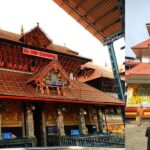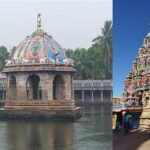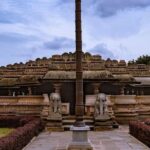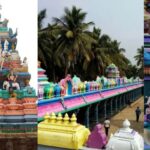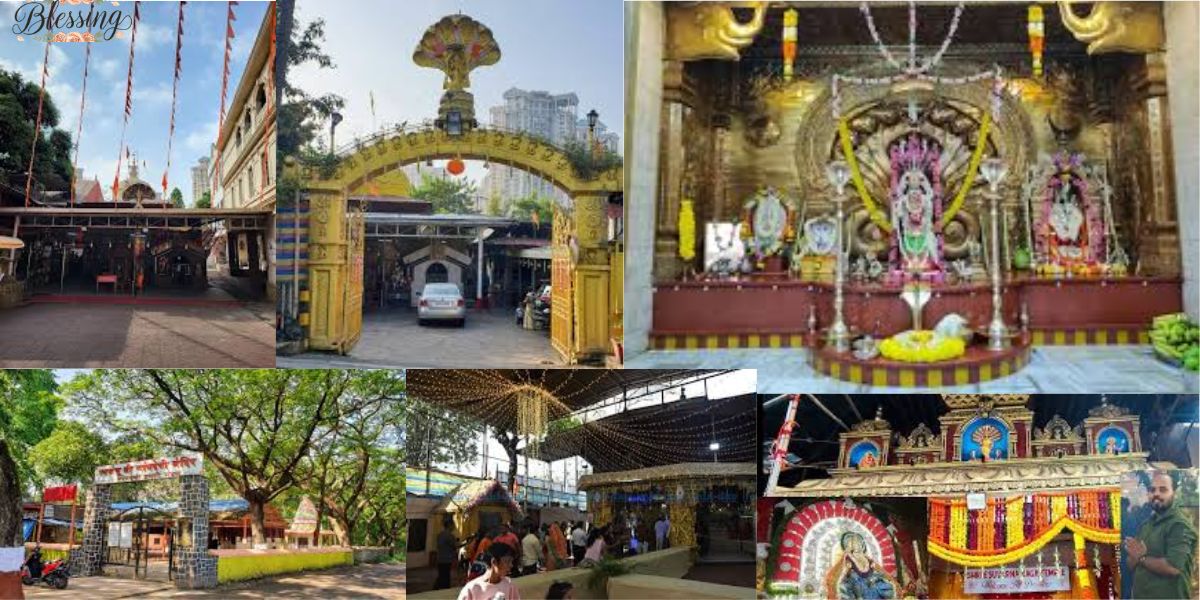
Sree Suvarna Temple Powai stands as one of Mumbai’s most revered multi-deity temples on the busy JVLR road. This sacred Hindu temple in Mumbai offers darshan timings from early morning to late evening for devotees. The temple provides a complete spiritual experience with its unique temple architecture in India and multiple deity worship.
Sree Suvarna Temple Powai Timings and Aarti Schedule 2026
What are the Sree Suvarna Temple Powai timings? The temple operates in two daily shifts for devotee convenience.
Morning darshan begins at 6:00 AM and continues until 11:30 AM. Evening darshan starts at 3:30 PM and extends till 9:00 PM. The aarti schedule includes three daily sessions at specific times.
Read More: Govardhan Parikrama Guide 2026: Distance, Route, Timings, History, Rituals & Best Time
Daily Darshan Timings
The Powai temple maintains consistent temple timings 2026 throughout the week. Morning hours are less crowded for a peaceful darshan.
Afternoon break allows for temple maintenance and deity rituals. Evening sessions attract working professionals and families.
Darshan Hours Table:
| Session | Timing |
| Morning Darshan | 6:00 AM – 11:30 AM |
| Afternoon Break | 11:30 AM – 3:30 PM |
| Evening Darshan | 3:30 PM – 9:00 PM |
Aarti Schedule
What is the aarti schedule at Sree Suvarna Temple? The temple conducts three sacred rituals daily. Morning aarti happens at 6:30 AM with Vedic chants.
Afternoon aarti takes place at 12:00 PM sharp. Evening aarti at 6:30 PM is the most attended session.
Aarti Timing Table:
| Aarti Type | Exact Time |
| Kakad Aarti (Morning) | 6:30 AM |
| Madhyana Aarti (Afternoon) | 12:00 PM |
| Sandhya Aarti (Evening) | 6:30 PM |
Visitor Guidelines and Tips
What is the dress code for Sree Suvarna Temple? The temple dress code recommends modest traditional attire. Men should wear shirts and full-length pants or a traditional kurta.
Women prefer sarees, salwar suits, or long skirts. Remove footwear at designated areas before entering. Photography may be restricted in inner sanctums.
Mobile phones should be on silent mode. Visitor guidelines ensure respectful temple conduct. What is the best time to visit Sree Suvarna Temple? Weekday mornings offer the calmest atmosphere.
Special Poojas and Offerings at Sree Suvarna Temple, Powai
The JVLR temple offers various devotional practices for spiritual seekers. Temple poojas cater to different needs and occasions.
Special temple offerings include traditional Hindu rituals. Each ritual connects devotees with divine energy. The pooja schedule accommodates both daily and festival ceremonies.
Popular Poojas and Rituals
Abhishekam ritual involves bathing the deity with sacred substances. Milk, honey, yogurt, ghee, and sandalwood paste are used.
This purification ceremony removes negative karma. Archana includes chanting 108 names of the deity.
Fresh flowers are offered during this personal prayer. Deepa Aradhana lights up the sanctum with oil lamps. The flame represents divine consciousness and removes darkness.
Prasad distribution shares blessed food with all visitors. This sacred offering promotes equality and community bonding.
How to Reach Sree Suvarna Temple, Powai,
The temple’s central location on JVLR makes access convenient. Multiple transport options connect to this pilgrimage site in Mumbai.
Mumbai temples are well-integrated with the city infrastructure. The Powai temple welcomes devotees from across Maharashtra.
By Air
Chhatrapati Shivaji International Airport serves as the nearest air hub. The airport is approximately 12 kilometers from the temple.
Travel time ranges from 20 to 40 minutes, depending on traffic. App-based cabs like Uber and Ola operate from all terminals. Airport taxis provide pre-paid meter services. Private car rentals are available at the arrival halls.
By Train
Mumbai’s local train network offers excellent connectivity. Kanjurmarg Station on the Central Line is closest. Andheri Station serves Western and Harbour Line commuters.
Auto-rickshaws wait outside both stations. The journey from Kanjurmarg takes 15-20 minutes. Andheri station is approximately 25 minutes away.
By Road
The Jogeshwari-Vikhroli Link Road provides direct temple access. Eastern Express Highway connects Thane and Navi Mumbai. Western Express Highway links Borivali and Bandra areas.
Private vehicles can use Google Maps for navigation. Parking is available near the temple premises.
By Public Transport
Mumbai’s BEST bus service covers Powai extensively. Bus routes 25, 307, 382, 409, and 460 pass nearby. Auto-rickshaws are readily available throughout Powai.
Shared autos run on fixed routes during peak hours. Ride-sharing apps provide door-to-door convenience.
Nearby Attractions to Explore Near Sree Suvarna Temple, Powai
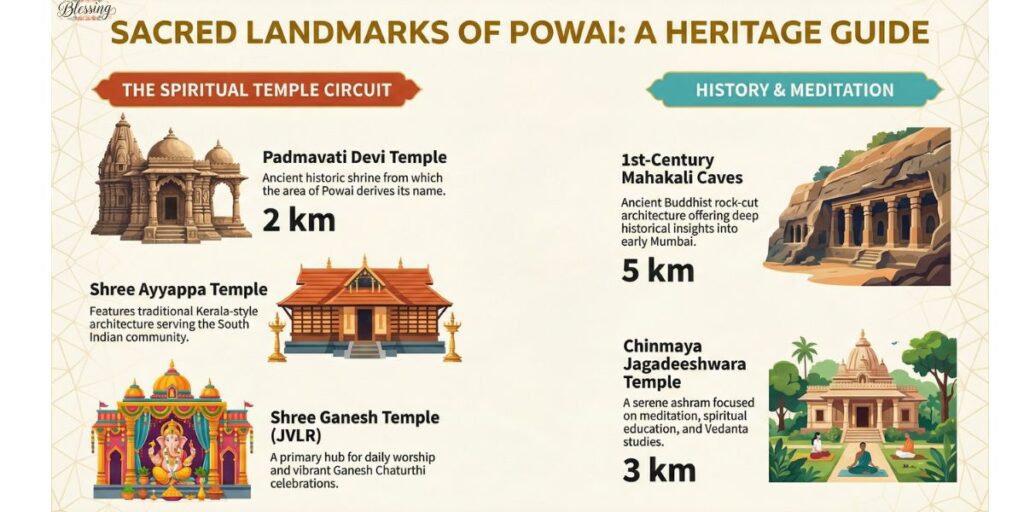
Powai houses several spiritual and cultural heritage sites. These Mumbai temples enhance your pilgrimage experience.
The Hindu temple Mumbai circuit offers diverse architectural styles. Weekend visitors can explore multiple sacred locations.
Padmavati Devi Temple is a historic shrine in Powai. The area’s name derives from this ancient goddess. Shree Ganesh Temple on JVLR attracts daily worshippers.
This Ganesh Chaturthi celebration hub is beautifully decorated. Chinmaya Jagadeeshwara Temple provides meditation facilities.
The ashram promotes spiritual education and Vedanta studies. Shree Ayyappa Temple serves the South Indian community.
Traditional Kerala-style architecture defines this temple. Mahakali Caves showcase Buddhist rock-cut architecture. These 1st-century caves offer historical insights.
Nearby Temples Comparison:
| Temple Name | Distance | Specialty |
| Padmavati Devi Temple | 2 km | Historic significance |
| Shree Ganesh Temple JVLR | 1.5 km | Ganesh worship |
| Chinmaya Temple | 3 km | Meditation & studies |
| Shree Ayyappa Temple | 2.5 km | South Indian traditions |
| Mahakali Caves | 5 km | Ancient Buddhist site |
Accommodation Options Near Sree Suvarna Temple, Powai, Mumbai
Powai offers diverse lodging for temple visitors. Hotels cater to luxury, comfort, and budget segments.
Advance booking during festival calendar dates is recommended. Proximity to the temple ensures easy early morning darshan.
Luxury Hotels Near the Temple
Renaissance Mumbai Convention Centre Hotel provides five-star amenities. The hotel is 3 kilometers from the temple. Modern rooms feature city and lake views.
Meluha The Fern offers eco-friendly luxury accommodation. Sustainable practices meet comfort standards here.
The Residence Hotel & Apartments suits extended stays. Family-friendly facilities include kitchenettes and living spaces.
Mid-Range Hotels Near the Temple
Rodas Ecotel combines comfort with reasonable pricing. Clean rooms and courteous service define this property.
Hotel Peninsula Grand attracts domestic tourists. The location offers easy access to Powai attractions.
Bloom Hotel Saki Vihar provides quality budget accommodation. Modern amenities include Wi-Fi and air conditioning.
Budget-Friendly Stays
Treebo Hotels maintains consistent quality standards nationwide. Basic amenities ensure comfortable short stays.
OYO Rooms offer economical options across Powai. App-based booking provides instant confirmations.
FabHotels balance cleanliness with affordability. Local guesthouses provide homely atmospheres at lower rates.
Booking Tips for Visitors
Check online reviews before finalizing accommodation. Compare prices across multiple booking platforms.
Weekend and festival period rates increase significantly. Proximity to the temple reduces travel time and costs.
Some hotels offer complimentary temple transportation services. Confirm checkout policies for early morning departures.
History and Origin of Sree Suvarna Temple, Powai, Mumbai
The temple’s foundation dates back to 1957. Shree Shree Shree Suvarna Baba established this multi-deity temple.
The main structure was completed in 1963. Over six decades of religious ceremonies have blessed millions.
Suvarna Baba envisioned an inclusive worship space. The temple would honor multiple Hindu deities together.
This approach promotes religious harmony among devotees. The Powai temple name derives from Padmavati Devi.
Ancient local traditions connect to this goddess. The area has spiritual significance spanning centuries.
Temple expansion occurred gradually through community support. Today it stands as Powai’s primary Hindu temple in Mumbai.
Sree Suvarna Temple, Powai, Mumbai:i Legend and Spiritual Philosophy
The temple’s modern origin differs from ancient mythological temples. Suvarna Baba’s vision emphasized unity in diversity.
Divine blessings flow through multiple deity forms. The spiritual philosophy follows Vedantic principles.
“Ekam Sat Vipra Bahudha Vadanti” guides temple practices. This means truth is one, sages name it differently. Devotees choose their preferred divine form.
All paths lead to the same ultimate reality. This inclusive approach welcomes all Hindu traditions. The temple becomes a melting pot of devotional practices.
Multi-Deity Worship at Sree Suvarna Temple
What deities are worshipped at Sree Suvarna Temple? Lord Shiva represents transformation and cosmic power. Lord Ganesha removes obstacles from devotees’ paths.
Lord Balaji grants wealth and material prosperity. The Sai Baba temple section offers healing and guidance. The
Shani temple area helps relieve planetary afflictions. The Hanuman temple shrine provides strength and courage. Navgrahas balance astrological influences in life.
Lakshmi Devi blesses with abundance and fortune. Nag Devi protects from serpent-related fears. Saraswati Devi enhances knowledge and wisdom.
Deity List:
| Deity | Blessings Bestowed |
| Lord Shiva | Transformation, Power |
| Lord Ganesha | Obstacle Removal |
| Lord Balaji | Wealth, Prosperity |
| Sai Baba | Healing, Guidance |
| Shani Dev | Planetary Relief |
| Hanuman | Strength, Courage |
| Navgrahas | Astrological Balance |
| Lakshmi | Abundance |
| Nag Devi | Protection |
| Saraswati | Knowledge |
Cultural, Spiritual, and Mythological Significance
The temple serves multiple community functions simultaneously. Spiritual guidance meets cultural preservation here. Ancient wisdom blends with modern urban life.
Cultural Importance
The Powai temple celebrates Maharashtra’s diverse traditions. North Indian and South Indian customs coexist harmoniously.
Regional festivals bring together different linguistic communities. Music and dance performances occur during major celebrations.
Traditional art forms find patronage and audience. The temple preserves cultural heritage in metropolitan Mumbai. Youth connect with ancestral spiritual practices. Community meals promote social equality.
Spiritual Significance
Multiple deity worship offers comprehensive spiritual solutions. Health concerns find attention through specific rituals.
Wealth prayers focus on Lakshmi and Balaji shrines. Students seek Saraswati’s blessings for education. The temple provides spiritual experience for all life’s needs.
Peaceful darshan calms the mind and reduces stress. Regular visits create consistent spiritual discipline. The atmosphere encourages meditation and introspection.
Mythological Associations
Nag Panchami honors serpent deities for protection. Milk offerings appease Nag Devi on this day. Navgrahas represent nine celestial planetary bodies.
Hindu astrology considers its influence significant. Shani Dev rituals mitigate Saturn’s challenging periods. Vaghoba connects to local Warli tribal traditions.
This tiger deity symbolizes forest and nature protection. Ancient folklore merges with mainstream Hindu practices.
Festivals and Special Celebrations
What are the major festivals at Sree Suvarna Temple? The festival calendar includes major Hindu celebrations. Nag Panchami draws huge crowds for serpent worship.
Navratri celebrations last nine nights with garba dancing. Ganesh Chaturthi honors Lord Ganesha with elaborate decorations. Diwali lights illuminate the entire temple complex.
Hanuman Jayanti features continuous Hanuman Chalisa recitations. Shani Amavasya brings devotees for Saturn appeasement. Each festival showcases unique religious ceremonies and customs.
Festival Calendar:
| Festival | Month | Special Activities |
| Nag Panchami | July-August | Milk offerings to Nag Devi |
| Navratri | September-October | Garba, Dandiya, Fasting |
| Diwali | October-November | Lakshmi Puja, Lamps |
| Ganesh Chaturthi | August-September | Modak offerings, Aartis |
| Hanuman Jayanti | March-April | Chalisa recitals |
| Shani Amavasya | Monthly | Oil lamp offerings |
Special Poojas and Offerings
Daily temple poojas follow traditional Vedic procedures. Morning rituals begin with deity awakening ceremonies. The Abhishekam ritual purifies both the deity and the devotees.
Flowers, fruits, and sweets constitute standard temple offerings. Special occasion poojas require advance booking.
Priests guide devotees through proper ritual procedures. Prasad distribution concludes all major ceremonies. The sanctified food carries divine energy.
Architecture and Idols
The temple architecture in the Indian style blends traditional elements. Golden pillars mark the main entrance gateway. Intricate carvings depict various mythological scenes.
Multiple shrines house different deity idols. Each sanctum maintains its unique decorative theme. Traditional South Indian gopuram elements appear.
North Indian shikhara styles also feature prominently. Modern construction ensures structural stability and safety.
The idols showcase excellent craftsmanship and artistry. The black stone Shiva lingam radiates spiritual energy.
The colorful Ganesha idol attracts devotees’ attention immediately. Balaji statue follows Tirupati temple iconography.
The Sai Baba idol depicts the saint’s meditative posture. Hanuman stands in his powerful warrior form.
Navgraha idols follow traditional planetary representations. The multi-deity temple design allows simultaneous worship.
Best Hours to Visit: Crowd Management Guide
Most temple visit guides ignore hour-by-hour crowd patterns. Understanding peak times saves precious waiting time.
This practical information helps working professionals plan better. Strategic timing ensures a quality, peaceful darshan experience.
Weekday Crowd Levels by Hour
6:00 AM – 8:00 AM sees regular devotees only. This window offers the most peaceful darshan atmosphere. 8:00 AM – 11:00 AM attracts retired people and homemakers.
Mid-morning remains moderately busy but manageable. 3:30 PM – 5:00 PM is relatively quiet before the office crowd. 5:30 PM – 7:30 PM becomes extremely crowded with professionals.
7:30 PM – 9:00 PM crowd gradually thins out. Late evening offers a calm spiritual experience again.
Weekend and Festival Rush Hours
Weekends remain crowded throughout darshan timings. Saturday evenings are busiest with family visits.
Sunday mornings attract devotees from distant Mumbai areas. Festival calendar dates see 3-4 times the normal footfall.
Nag Panchami and Navratri celebrations create massive queues. Arrive 2 hours early during major festivals. Ganesh Chaturthi requires patience and planning ahead.
Hourly Crowd Intensity Table:
| Time Slot | Weekday Crowd | Weekend Crowd |
| 6:00 – 8:00 AM | Low | Moderate |
| 8:00 – 11:00 AM | Moderate | High |
| 3:30 – 5:00 PM | Low | Moderate |
| 5:30 – 7:30 PM | Very High | Very High |
| 7:30 – 9:00 PM | Moderate | High |
Parking Facilities and Accessibility Details
No competitor covers practical parking information clearly. JVLR temples face severe parking constraints daily.
Understanding parking options prevents last-minute stress. This section helps first-time visitors plan properly.
Available Parking Options
The temple premises have limited parking for 15-20 vehicles. Spaces fill up by 7:00 AM on weekends. Two-wheelers get designated parking on the side.
Street parking is available on the JVLR service road. Commercial complexes nearby allow paid parking. Powai Plaza offers parking at ₹50 per hour.
Auto-rickshaws and cabs drop off at the temple entrance. Paid parking attendants operate near the temple during festivals.
Accessibility for the Disabled and the Elderly
A wheelchair ramp is available at the main entrance gate. Ground-floor shrines are accessible without climbing steps.
Volunteers assist the elderly during the peak aarti schedule times. Special seating area reserved for senior citizens.
Washrooms on the ground floor have a disability-friendly design. Temple staff provides wheelchairs on a request basis.
Elevators not available; all shrines on ground level. Disabled visitors get priority during crowded religious ceremonies.
Parking Options Comparison:
| Parking Type | Capacity | Cost | Distance |
| Temple Parking | 15-20 cars | Free | 0 meters |
| Street Parking | 30-40 cars | Free | 50 meters |
| Powai Plaza | 100+ cars | ₹50/hour | 200 meters |
| Commercial Complex | 50+ cars | ₹40/hour | 300 meters |
Photography and Mobile Phone Policy
Temple photography rules remain unclear in competitor guides. Knowing policies prevents embarrassing situations inside the temple.
This transparency helps visitors respect sacred rituals appropriately. Clear guidelines maintain sanctity while allowing memories.
What’s Allowed and Prohibited
The outer temple courtyard allows photography freely. Main deity sanctums strictly prohibit camera usage. Mobile phones must stay in silent mode.
Video recording not permitted during temple poojas. Flash photography disturbs the worship atmosphere completely.
Temple authorities may confiscate cameras violating rules. Selfies are allowed only in designated outer areas. Festival decorations can be photographed from outside.
Best Spots for Temple Photos
The temple entrance golden gate makes a beautiful backdrop. Outer courtyard flower decorations during Ganesh Chaturthi shine.
Evening aarti lamp lighting is visible from the courtyard. Festival rangoli designs create colorful photo opportunities. The Temple gopuram is visible from the JVLR road viewpoint.
Powai Lake provides panoramic temple distant shots. Dawn and dusk offer the best natural lighting. Respect other devotees while taking photographs always.
Monthly Ritual Calendar: Deity-Specific Days
Competitors never mention which deity worship suits which days. Planetary positions influence specific devotional practices timing.
The traditional Hindu calendar follows lunar month calculations. Strategic visits on the right days enhance ritual effectiveness.
Best Days for Specific Deity Worship
Hanuman temple visits suit Tuesdays and Saturdays. Shani temple worship is essential on Saturdays only. Thursdays are ideal for Lakshmi and Balaji darshan.
Mondays attract Shiva devotees for the Rudra abhishekam ritual. Fridays bring crowds for Santoshi Mata prayers.
Ganesha worship is auspicious on Wednesdays primarily. Full moon days suit all deity worship. New moon Amavasya is perfect for ancestral rituals.
2026 Special Ritual Dates
Nag Panchami falls on August 9, 2026. Navratri celebrations start on October 3 and end on October 11. Ganesh Chaturthi celebration on August 31, 2026.
Diwali Lakshmi Puja is scheduled for October 20, 2026. Hanuman Jayanti occurs on April 12, 2026. Maha Shivratri fasting is observed on March 8, 2026.
Monthly Shani Amavasya follows the lunar calendar precisely. Check the temple notice board for updated dates.
Deity Worship Day Guide:
| Day | Recommended Deity | Special Benefits |
| Monday | Lord Shiva | Spiritual growth |
| Tuesday | Hanuman | Strength, courage |
| Wednesday | Ganesha | Obstacle removal |
| Thursday | Balaji, Lakshmi | Wealth, prosperity |
| Friday | Santoshi Mata | Wish fulfillment |
| Saturday | Shani Dev | Planetary relief |
| Sunday | Surya (Sun God) | Health, vitality |
Food and Prasad Options Near Temple
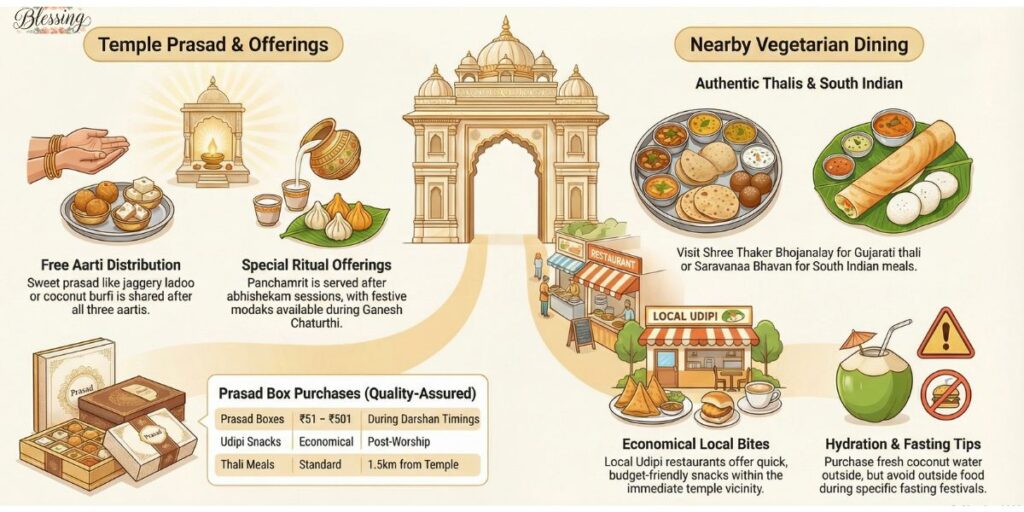
No guide mentions dining facilities around temple area. Devotees often seek simple vegetarian meals post-worship.
Local eateries serve authentic temple-style pure food. This information completes the holistic pilgrimage experience.
Temple Prasad Availability
Free prasad distribution happens after all three aartis. Sweet prasad includes jaggery ladoo or coconut burfi.
Special festival prasad like modaks during Ganesh Chaturthi. Panchamrit is distributed after the abhishekam ritual sessions.
Devotees can purchase special prasad boxes. Pricing ranges from ₹51 to ₹501 per box. Homemade quality ensures purity and taste. Prasad counters open during darshan timings only.
Nearby Vegetarian Restaurants
Shree Thaker Bhojanalay serves authentic Gujarati thali. The distance from the temple is approximately 1.5 kilometers.
Saravanaa Bhavan offers South Indian breakfast and meals. This chain outlet is located in Powai Plaza. Local Udipi restaurants serve quick snacks economically.
Street vendors sell fresh coconut water outside. Avoid outside food during the fasting festival days. Carry water bottles during summer temple visit guide trips.
What to Bring and What to Avoid
Practical packing advice is missing from all competitor content. Proper preparation ensures a comfortable temple visit experience.
Knowing prohibited items prevents entry problems completely. This checklist suits both first-timers and regulars.
Essential Items to Carry
Carry small denominations for temple offerings easily. Coins are useful for donation boxes and prasad. Handkerchief or small towel for heat management.
A water bottle maintains hydration in Mumbai’s weather. Offering flowers available outside but bringing shows devotion.
Coconuts, fruits for special pooja bookings recommended. Small bag for footwear storage during crowded times. Personal prayer items like rudraksha beads are allowed.
Items Not Permitted Inside
Leather items, including belts, wallets, purses prohibited. Shoes and footwear are removed at designated stands. Non-vegetarian food and tobacco products are strictly banned.
Alcohol consumption before a temple visit is completely prohibited. Large bags undergo thorough security checks.
Sharp objects, knives, not allowed obviously. Pets cannot enter the temple premises ever. Loud music and speakers disturb the sacred ritual atmosphere.
Temple Visit Checklist:
| Bring | Avoid |
| Small currency notes | Leather items |
| Water bottle | Non-veg food |
| Handkerchief | Tobacco/Alcohol |
| Offering flowers | Large bags |
| Coins for donation | Pets |
| Personal prayer items | Sharp objects |
Common Mistakes First-Time Visitors Make
Learning from others’ mistakes saves time and embarrassment. Temple visit guide articles rarely address practical errors.
These insights come from observing regular temple visitors. Avoiding these improves your overall spiritual experience significantly.
Timing and Planning Errors
Arriving during peak hours without a time buffer. Expecting a quick darshan on Saturday evenings is unrealistic.
Not checking the festival calendar before weekend visits. Wearing inappropriate footwear difficult to remove quickly. Coming on an empty stomach, then feeling weak.
Bringing children during the late evening aarti schedule sessions. Not carrying enough cash for offerings. Assuming parking availability without a backup plan.
Behavioral and Etiquette Mistakes
Talking loudly on phones inside temple premises. Taking selfies during ongoing religious ceremonies rudely. Pushing elderly devotees during crowded prasad distribution.
Not following the queue system during the festival darshan. Arguing with temple volunteers about photography rules. Leaving prasad wrappers and litter inside the temple.
Touching deity idols without permission is strictly prohibited. Wearing strong perfumes disturbing meditation atmosphere.
Safety and Security Tips
Mumbai temples’ safety information is completely absent from competitors. Urban temple visits require awareness and precaution.
These practical tips ensure peaceful,l worry-free worship. Security measures protect devotees and temple property.
Personal Safety Measures
Keep valuables in front pockets during crowds. Ladies, avoid wearing expensive jewelry during festivals. Children should always stay with adults.
Note your footwear location before entering the temple. Keep mobile phones secure during darshan timings.
Beware of pickpockets during evening rush hours. Travel in groups during late evening visits. Use well-lit parking areas only after dark.
Temple Security Arrangements
CCTV cameras monitor all temple areas continuously. Security guards are present during all darshan timings shifts.
Metal detector checks during major festival calendar events. Emergency exits are clearly marked throughout the premises.
First aid facility available at the temple office. Female volunteers assist women devotees specifically.
The lost and found counter operates daily. Temple helpline number +91-9920091969 is available for emergencies.
Read More: Sri Ranganathaswamy Temple 2026: VIP & General Darshan, Sevas, And Travel Guide
Donation and Seva Opportunities
Competitor guides never explain the contribution options available. Devotees often wish to serve the temple beyond worship.
Various temple offerings suit different capacity levels. Transparency in donation usage builds community trust.
How to Contribute
Cash donation boxes are placed near each deity. Online bank transfer details available at the office. Sponsor daily prasad costs starting at ₹501.
Fund specific festival celebrations from ₹5,000 onwards. Contribute to temple maintenance and renovation projects.
Adopt a lamp lighting for one year program. Sponsor free food distribution during festivals. Donate essential puja items like flowers and incense.
Volunteering Services Available
Help during crowd management on weekends is needed. Assist the elderly and disabled during darshan hours. Participate in temple cleaning drives organized monthly.
Join the festival decoration and organization teams. Teach children about Hindu rituals and traditions.
Support temple documentation and social media efforts. Volunteer for prasad preparation during major festivals. Register at the temple office for service opportunities.
Contribution Options:
| Service Type | Minimum Amount | Frequency |
| Daily Prasad | ₹501 | One-time/Monthly |
| Festival Sponsorship | ₹5,000 | Annual |
| Lamp Adoption | ₹1,100 | Yearly |
| General Donation | Any amount | Anytime |
| Seva (Service) | Free | Weekly/Monthly |
Children and Family Facilities
Family-friendly amenities are rarely mentioned in temple guides. Parents need specific information for child visits.
Understanding available facilities encourages family devotional practices together. These details make temple trips stress-free for parents.
Facilities for Young Children
A diaper changing area is available near the washrooms. Stroller parking space is designated near entrance. Child-height water fountains are installed in the courtyard.
Volunteers help parents during crowded darshan times. Prasad gave generously to keep children happy.
No strict rules about child noise levels. Shaded seating areas for feeding infants are provided. Temple welcomes families of all age groups.
Best Times for Family Visits
Morning darshan before 9:00 AM suits young children. School holiday periods see many family visitors. Sunday evenings after 8:00 PM are relatively calmer.
Avoid bringing toddlers during the Navratri celebrations crowds can be overwhelming. Ganesh Chaturthi offers a fun atmosphere for kids.
Regular weekend visits create spiritual habits early. Festival times teach children about cultural heritage beautifully. Age-appropriate storytelling about deities is available from priests.
Seasonal Considerations and Weather Tips
Mumbai’s weather significantly impacts temple visit comfort. Hindu temple Mumbai visits need seasonal planning awareness.
Monthly weather patterns affect crowd levels, too. Smart timing enhances your spiritual experience considerably.
Summer Visits (March – May)
The temperature reaches 35-40°C during the peak afternoon. Morning aarti at 6:30 AM most comfortable option. Carry water bottles and stay hydrated always.
Light cotton clothes are recommended for the summer temple dress code. Afternoon darshan timings can feel extremely uncomfortable.
Evening visits after 7:00 PM are cooler. Temple courtyard fans provide some relief only. Avoid mid-day visits between 11:30 AM and 3:30 PM.
Monsoon Visits (June – September)
Heavy Mumbai rains from June to September. JVLR road experiences waterlogging during heavy downpours. Carry umbrellas and wear waterproof footwear outside.
Temple interior remains dry and protected always. Nag Panchami and Ganesh Chaturthi fall in the monsoon. Festival attendance remains high despite rain conditions.
The floor becomes slippery; walk carefully inside the temple. Many devotees find monsoon visits spiritually refreshing.
Winter Visits (November – February)
Pleasant weather from November to February ideal time. Morning darshan is comfortable without excessive heat stress.
Navratri celebrations and Diwali occur in this season. Moderate temperatures attract maximum weekend visitors. Light jackets are needed for early morning visits only.
Evening darshan is most enjoyable during the winter months. Tourist footfall increases during this comfortable period. Book accommodations in advance during the festival season peak.
Monthly Weather Guide:
| Month | Temperature | Crowd Level | Best Time |
| Jan-Feb | 15-28°C | High | Anytime |
| Mar-May | 25-40°C | Moderate | Early morning |
| Jun-Sep | 24-32°C | High (Festivals) | Evening |
| Oct-Dec | 18-32°C | Very High | Morning |
Local Insights from Regular Devotees
Real visitor experiences are missing from competitor content. Long-time devotees share valuable practical wisdom.
These authentic tips improve your temple experience manifold. Community knowledge builds genuine temple connections faster.
What Regular Visitors Recommend
Establish a relationship with temple priests for guidance. Learn basic Sanskrit shloka for deity worship. Observe experienced devotees’ worship patterns carefully.
Join temple WhatsApp group for event updates. Attend special discourses on Hindu rituals occasionally. Bring children regularly for cultural value transmission.
Contribute consistently beyond just monetary donations. Develop a personal meditation practice at home, too.
Hidden Gems About the Temple
Small Vaghoba shrine in the corner is often missed. Early morning atmosphere carries special spiritual energy.
Tuesday evening Hanuman temple area is particularly powerful energetically. Saturday oil lamp offering to Shani is very effective.
The temple rooftop offers a peaceful meditation space sometimes. Certain priests give excellent spiritual counseling freely.
Maha Prasad on festival days is tastier than regular. The temple garden blooms beautifully during winter mornings.
First-Timer’s Complete Checklist
A comprehensive checklist is absent from all competing articles. First visit creates a lasting temple relationship foundation.
This systematic approach covers every important aspect. Following this ensures a smooth, memorable spiritual experience always.
Before Your Visit
Check temple timings 2026 on the website or by phone call. Verify the special pooja schedule if you want a specific ritual.
Plan a journey considering Mumbai traffic patterns realistically. Dress in modest traditional attire before leaving home.
Carry sufficient cash in small denominations. Download the temple location on Google Maps offline.
Check the weather forecast for that particular day. Inform family about your expected return time.
During Your Visit
Remove footwear at designated stands on arrival. Maintain silence while entering the main temple area.
Follow the queue system during busy darshan timings hours. Offer prayers at each deity shrine systematically. Participate in the aarti schedule session if timing matches.
Collect prasad distribution respectfully without pushing crowds. Observe other devotees’ worship practices and learn. Spend time in meditation if you feel inclined.
After Your Visit
Retrieve your footwear from the correct collection point. Share prasad with family upon reaching home. Note down your personal spiritual experience in a journal.
Plan next visit based on deity-specific days. Share positive feedback with temple authorities appreciatively. Recommend the temple to friends seeking spiritual guidance genuinely.
Follow up on any volunteering interests you developed. Maintain spiritual momentum through daily home prayers.
First Visit Quick Checklist:
| Category | Items to Remember |
| Preparation | Check timings, dress code, carry cash |
| Journey | Traffic planning, parking strategy, Google Maps |
| Temple Entry | Remove footwear, maintain silence, follow queues |
| Worship | Visit all shrines, attend aarti, collect prasad |
| Departure | Retrieve footwear, note experience, plan return |
Personal Opinion and Requirements
I visited Sree Suvarna Temple, Powai, on a Tuesday morning. The peaceful darshan experience exceeded my expectations completely. Temple staff members were helpful and courteous, always. The multi-deity temple concept appeals to practical Mumbai devotees. My requirement as a regular visitor is extended evening hours. The 9:00 PM closing feels early for working professionals. Weekend crowd management could also improve with token systems.
Frequently Asked Questions
What time does Sree Suvarna Temple open?
The temple opens at 6:00 AM for morning darshan daily.
What should I wear to Sree Suvarna Temple?
Modest traditional Indian attire is recommended for temple visits.
How long does Darshan take at Sree Suvarna Temple?
Regular darshan takes 15-30 minutes; festival days may require longer.
Can I book a pooja at Sree Suvarna Temple?
Yes, special poojas can be booked through the temple office or by phone.
Is photography allowed inside the temple?
Photography restrictions apply in the main sanctum; check with the authorities.
Conclusion
Sree Suvarna Temple, Powai, remains Mumbai’s premier multi-deity temple destination. The convenient darshan timings accommodate both early risers and evening visitors. Rich cultural heritage blends beautifully with modern urban spirituality. Whether seeking divine blessings or peaceful darshan, this Hindu temple in Mumbai delivers authentic experiences. The temple’s inclusive philosophy welcomes devotees of all backgrounds. Excellent connectivity via JVLR makes visits hassle-free.

Alich, a skilled content writer with 3+ years of experience, known for creating clear guides and 1000+ published articles across multiple niches.