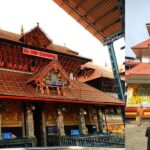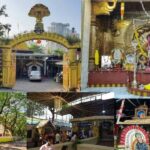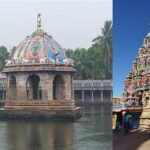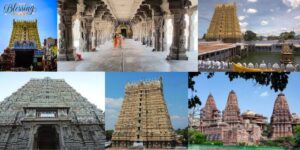
Srirangam Vishwaroopa Temple is also known as Arulmigu Ranganathaswamy Temple. It stands as one of India’s most sacred Hindu religious sites. The temple is located in Tiruchirappalli (Trichy), Tamil Nadu. This magnificent temple complex is dedicated to Lord Ranganatha. He is a reclining form of Lord Vishnu. The temple follows the Tenkalai sect of the Sri Vaishnava tradition. It attracts thousands of devotees daily.
Historical Significance & Divine Status
The Srirangam temple complex represents the pinnacle of Dravidian architecture temples in India. It was built by the Chola Kings, Pandya Kings, and Vijayanagar Kings. The temple showcases centuries of architectural evolution.
This temple complex is recognised as the largest functioning temple in the world. UNESCO has nominated it for World Heritage Site nomination status. This acknowledges its cultural importance. The temple is managed by TNHRCE (Tamil Nadu Hindu Religious & Charitable Endowments).
They ensure proper maintenance and administration. The presiding deities are Lord Ranganatha and his consort Goddess Ranganayaki. They bless millions of devotees annually.
The temple’s history dates back over a thousand years. It has survived invasions and natural calamities. It has withstood the test of time remarkably well. The Chola dynasty’s temple era saw significant expansions.
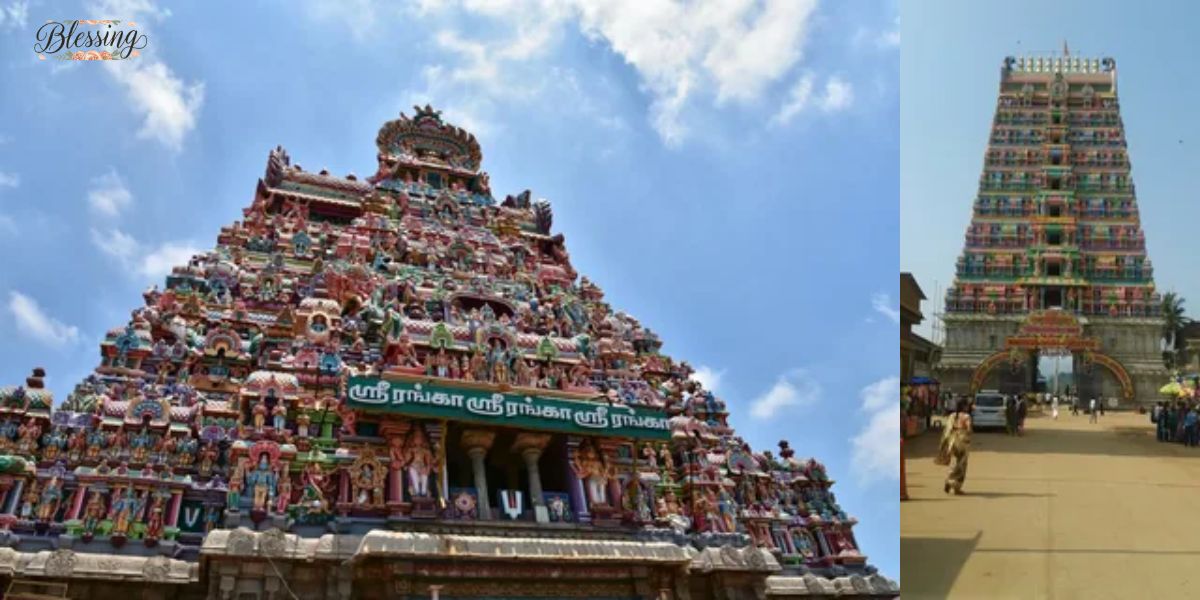
Major renovations were completed during this period. South Indian temples like this one preserve ancient Dravidian-style architecture beautifully. The temple houses 21 towering gopurams (gateway towers).
They dominate the skyline from far away. The innermost sanctum contains the main deity. He rests in a reclining posture on Adisesha. This unique representation of Lord Vishnu temples attracts devotees worldwide. Pilgrims come from across the globe to seek blessings.
Read More: Garbarakshambigai Temple Ghee Prasadam: Complete Guide To Fertility Blessings & Online Booking
Srirangam Vishwaroopa Temple Timings 2025
What time does the Srirangam temple open is a common question. First-time visitors often ask about opening hours. The temple operates from early morning darshan through late evening darshan hours.
Temple darshan timings are structured around various rituals. These rituals happen throughout the day. Understanding what Srirangam temple darshan timings are helps in planning. Better planning ensures a smoother visit experience.
Daily Darshan Schedule
| Darshan/Seva | Timings | Status | Notes |
| Morning Darshan | 06:00 AM – 12:00 PM | Open to the Public | General darshan booking available |
| Evening Darshan | 12:00 PM – 09:00 PM | Open to the Public | Extended hours for devotees |
| Vishwaroopa Seva | 06:15 AM – 07:15 AM | Special Seva | Not during Markazhi month & festivals |
| Pongal Pooja | 07:15 AM – 09:00 AM | Closed | No devotee access during the ritual |
| Ksheerannam | 05:30 PM – 07:00 PM | Closed | Sacred temple rituals in progress |
| Aravanai Seva | 09:30 PM – 10:00 PM | Closed | Night ritual for the deity’s rest |
Temple Closure Times
The temple closes three times daily. These closures are for sacred temple rituals. The first closure is 07:15 AM – 09:00 AM. Second closure happens from 12:30 PM – 02:15 PM. The final closure occurs between 05:30 PM and 07:00 PM.
Devotees cannot enter the sanctum during these times. Temple seva services are performed exclusively by priests. Major festivals like Vaikuntha Ekadashi may alter regular timings. Always check the TNHRCE portal for updated schedules. Verify timings before starting your journey.
How to Book Seva & Darshan Online at Srirangam Temple
Where can I book Srirangam temple seva is easily answered. The TNHRCE department provides a dedicated platform. It’s an online temple booking system for devotees. What is the official website for Srirangam temple booking?
It srirangamranganathar.hrce.tn.gov.in. E-darshan booking has made visiting easier. Religious pilgrimage sites are now more convenient to access.
Step-by-Step Guide: How to Book Vishwaroopa Seva at Srirangam
Booking your temple darshan timings slot is simple. Use the official portal for this purpose. First, visit srirangamranganathar.hrce.tn.gov.in on your browser. You can also use your mobile device.
On the homepage, locate “Temple Booking Service”. Click on it to begin the process. Select “Temple Services” from the menu. Choose your preferred seva type from the options. Pick your desired visit date from the calendar.
The interface displays available dates clearly. Click “Book Now” to proceed further. Fill in all devotee details carefully. Include name, age, gender, and address. Verify the captcha code displayed on screen.
This confirms you’re not a robot. Complete payment using your preferred method. Options include debit card, credit card, UPI, or net banking. Your e-ticket will arrive within minutes. It comes via email and SMS.
Save the booking confirmation on your phone. You’ll need it for temple entry. This online booking system prevents long queues. It saves valuable time at the counter.
Offline Booking Alternative
Can I book Srirangam temple tickets offline is a valid concern. Many visitors ask this question. Yes, counter booking is available at the temple premises. Visit the darshan booking counter near the main entrance.
Go during operational hours for service. Carry a valid ID proof with you. Bring cash or cards for payment. However, online temple booking is recommended instead. It saves time and ensures slot availability. Peak seasons and festivals bring heavy crowds.
Offline counters experience long waiting times then. Pre-booking through the TNHRCE portal guarantees confirmed entry. You get your preferred time slot assured.
Special Sevas and Their Significance
Temple seva services at Srirangam offer unique experiences. Each seva happens throughout the day. They represent different aspects of Lord Ranganatha worship. Daily rituals follow strict traditional practices.
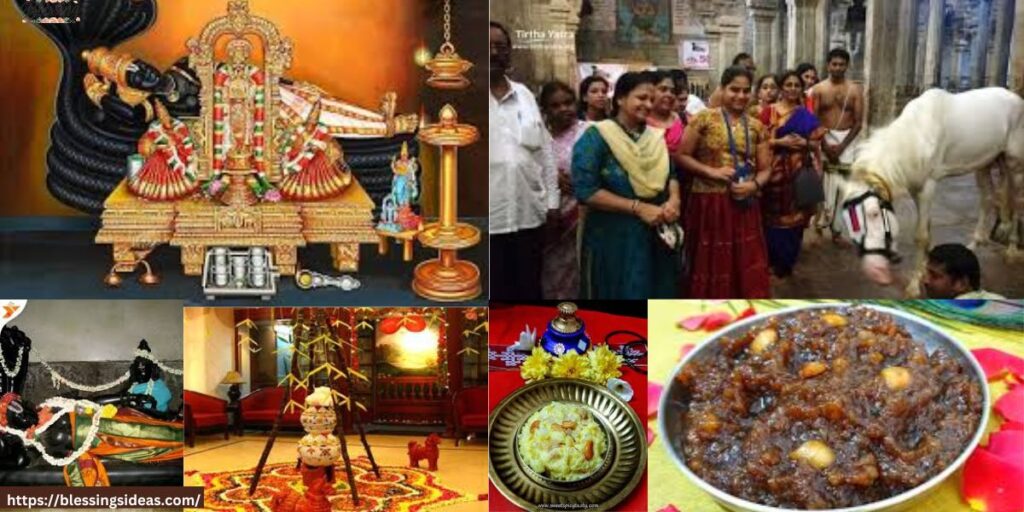
Understanding these services helps devotees choose better. You can select meaningful participation options. The temple conducts these sevas with dedication. Strict adherence to tradition is maintained.
Vishwaroopa Seva
When is Vishwaroopa seva at Srirangam? It occurs daily. The timing is 06:15 AM – 07:15 AM every morning. This Vishwaroopa Seva marks a special moment. It’s the ceremonial awakening of Lord Ranganatha.
The deity awakens from divine sleep. Priests perform elaborate rituals during this time. Sacred hymns and mantras are chanted. The deity is adorned with fresh flowers. Traditional ornaments are placed carefully.
Devotees who attend witness a serene atmosphere. The morning energy is truly peaceful. However, this seva has restrictions. It is not available during the Markazhi month.
Major festival days also don’t have this seva. How do I book Vishwaroopa seva at Srirangam? Use the TNHRCE portal. The advance booking system works efficiently.
Pongal Pooja
Pongal Pooja is a sacred offering ritual. It is performed from 07:15 AM to 09:00 AM. During this sacred temple ritual period, restrictions apply. Devotees are not allowed inside the sanctum. Priests prepare special sweet rice (pongal).
They offer it to the deity with devotion. This ritual symbolises gratitude for harvests. It also represents divine blessings received. The preparation follows ancient methods. The Sri Vaishnava tradition is followed strictly.
Methods passed down through generations continue. Once completed, prasadam is distributed. Devotees waiting outside receive the blessed food.
Ksheerannam Seva
The Ksheerannam seva takes place in the evening. Timing is 05:30 PM – 07:00 PM daily. This ritual involves offering milk-based preparations. Special dishes are offered to Lord Vishnu. Priests perform this seva with elaborate procedures.
Vedic chants accompany the ceremonies. The temple restricts devotee access during this time. Sacred temple rituals maintain spiritual purity.
The temple complex’s sanctity is preserved. Devotees can participate indirectly if desired. Sponsored offerings can be arranged. Contact the temple office for this service.
Aravanai Seva
Aravanai Seva occurs late at night. The timing is 09:30 PM to 10:00 PM. It’s the final ritual of the day. This night ceremony prepares the deity for rest. Divine rest continues until the next morning.
Priests perform the seva with soft lullabies. Gentle rituals are conducted with care. The sanctum is then closed for the night. This happens after the ceremony concludes. What time does the Srirangam temple close – officially at 9:00 PM.
But the final seva extends slightly longer. No darshan is permitted during this seva. Entry is also not allowed after this ceremony.
Dress Code and Temple Rules
What is the dress code for the Srirangam temple is important. All visitors must know this information. Temple dress code: Indian standards apply strictly. The sacred Ranganathaswamy Temple enforces these rules.

Traditional Indian attire is mandatory for entry. This applies to the entire Srirangam premises. The temple management enforces rules firmly. They maintain the sanctity of Hindu religious sites.
Men’s Dress Requirements
What should I wear to the Srirangam temple as a male visitor? This requires specific attention and preparation. Men must wear a traditional dhoti or veshti. This is a cloth wrapped around the waist.
Shirts are optional for the upper body. But coverage should be modest if wearing them. Western wear is strictly prohibited inside. Pants, jeans, and shorts are not allowed. T-shirts are also not permitted entry.
Is a dhoti mandatory at the Srirangam temple? Yes, absolutely. This applies to male devotees above 10 years. Dhoti rental services are available nearby.
You’ll find them near the temple entrance. Those without proper attire can rent here. Footwear must be removed before entering. This applies to the main temple complex.
Women’s Dress Requirements
Women should wear traditional sarees for darshan. Half-sarees are also acceptable attire. Salwar kameez (churidar) with dupatta is allowed. Can women wear churidar at Srirangam temple – yes, they can. But ensure it’s modest and covered properly.
Leggings are not permitted inside. Jeans are strictly prohibited for women. Short kurtas are not allowed entry. Western dresses are also not acceptable. The attire should cover the shoulders completely. Knees must be covered as well.
Traditional decorum must be maintained always. Young girls can wear a pavadai. This is a long skirt with a blouse. Add a dupatta to complete the outfit. The temple dress code in India reflects cultural respect. Religious pilgrimage sites maintain these standards universally.
Comparison Table: Booking Methods
| Feature | Online Booking | Offline Booking |
| Convenience | Book from anywhere, anytime | Must visit the temple counter |
| Queue Time | Zero waiting, instant confirmation | Long queues during peak hours |
| Payment Options | Card, UPI, Net Banking | Cash, Card at the counter |
| E-ticket | Immediate email/SMS delivery | Physical ticket at the counter |
| Advance Booking | Up to 90 days in advance | Same day or next day only |
| Cancellation | Easy online cancellation | Must visit the counter to cancel |
| Festival Season | Higher chance of availability | Often sold out or crowded |
| Technical Issues | Depends on the internet | No technical barriers |
| Best For | Tech-savvy, advanced planners | Last-minute visitors, elderly |
Temple Facilities and Visitor Information
The Srirangam temple complex provides several facilities. These ensure devotee comfort during the Tamil Nadu pilgrimage. Tiruchirappalli temples like this prioritise visitor convenience.
They also maintain sacred traditions simultaneously. Modern amenities blend seamlessly here. The ancient temple architecture of India is preserved. The administration ensures smooth operations daily. Thousands of visitors are managed efficiently.
Available Facilities
Free drinking water stations are installed throughout. They’re placed across the temple premises. Cloakroom services allow safe storage of belongings. Bags can be kept before entry. Wheelchair accessibility is provided for elderly devotees.
Differently-abled persons also get assistance. Major entrances have ramp facilities. Clean restroom facilities are maintained well. They are located at multiple locations. These are within the outer precincts.
Ample parking space accommodates all vehicles. Cars, buses and two-wheelers fit easily. Prasadam counters distribute temple offerings regularly. This happens after major pujas and rituals. First-aid facilities are available for emergencies. Medical assistance is located near the main office.
What to Bring and Avoid
Carry your booking confirmation for entry. Digital or printed copies both work. Bring a valid photo ID with you. It should match the devotee details submitted during booking. Mobile phones are allowed inside the premises.
But photography is restricted in certain areas. Sanctum areas have strict no-photo rules. Large bags are prohibited inside. Luggage is not allowed entry. Food items cannot be brought inside. Leather articles are strictly prohibited.
Temple seva services require modest attire preparation. Dress accordingly before arrival at the gates. Donation receipts are provided if desired. You can contribute to temple maintenance.
Best Time to Visit
Planning the evening darshan at Ranganathaswamy temple requires thought. It depends on personal preferences. Crowd patterns also matter significantly. The morning darshan hours are peaceful.
The time between 6:00 AM and 9:00 AM is ideal. Early visitors can witness the Vishwaroopa Seva. They also enjoy cooler weather conditions. Evening darshan from 6:00 PM to 8:00 PM attracts moderate crowds. The ambience is pleasant during this time.
Avoid visiting during the Markazhi month. This is generally the December-January period. Crowds are heavier during this month. Vaikuntha Ekadashi is spiritually significant. But it brings massive crowds annually. Patience and planning are required then.
Seasonal Considerations
The summer months are March to June. Trichy experiences high temperatures then. Mercury exceeds 40°C (104°F) regularly. Carry water bottles with you always. Umbrellas are essential during the summer.
Wear breathable fabrics for comfort. Monsoon season is from October to December. Cooler weather arrives during this period. Occasional rainfall sometimes disrupts outdoor rituals. The winter months are January and February. They offer the most comfortable climate.
Visiting religious pilgrimage sites visits are pleasant then. Festival seasons transform the temple complex. Special decorations adorn the premises. Extended darshan hours are provided. Weekend visits see higher footfall generally. Weekdays are less crowded at South Indian temples.
Reaching Srirangam Temple
Where is the Srirangam temple located precisely? The address is 1, South Uthra Street, Srirangam, Trichy, Tamil Nadu – 620006. The temple island is surrounded by the Kaveri River. This creates a unique geographical location.
Tiruchirappalli serves as the main city. It has excellent connectivity to major Indian destinations. Multiple transportation options are available. Religious pilgrimage sites like this are easily accessible.
Transportation Options
Tiruchirappalli International Airport is approximately 15 km away. It’s a 30-minute drive from the temple. Trichy Junction Railway Station is closer. It’s just 8 km away from Srirangam. The station connects to major cities.
Connections exist across Tamil Nadu and India. Government buses operate regularly to Srirangam. Private buses also run from Trichy Central Bus Stand. Auto-rickshaws are readily available everywhere. Taxis provide direct temple transport daily. Service operates throughout the day and night.
Local city buses run frequently, too. Bus numbers #1, #7, #122 go to the temple. They run between Trichy town and the Srirangam temple. Many devotees prefer hiring cars instead. Comfortable travel matters during Tamil Nadu pilgrimage tours.
The temple’s prime location on an island helps. It makes finding the temple easier. It is a prominent landmark visible from afar.
Architectural Marvels Worth Seeing
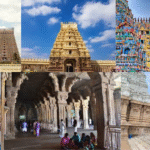
The Dravidian Style architecture showcases incredible engineering. Artistic excellence from ancient India is evident. The temple features 21 magnificent gopurams. Intricate carvings depict mythological stories beautifully.
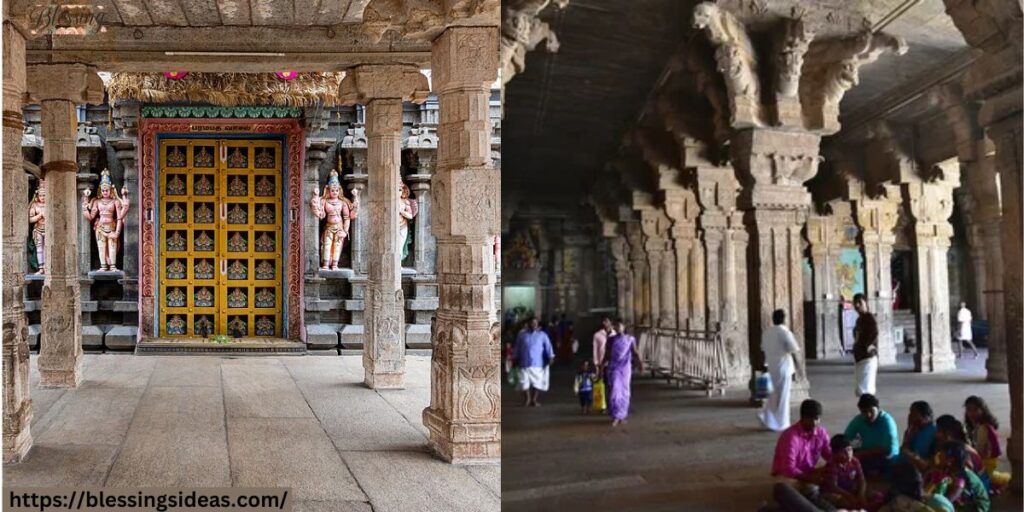
The tallest Rajagopuram stands at 72 meters. It’s visible from kilometres away. You can see it across Srirangam town. The Hall of 1000 Pillars displays stunning sculptural work. Chola Kings-era artisans created this masterpiece. Each pillar features unique carvings throughout. No two designs are identical anywhere.
Temple architecture in India enthusiasts visit specifically for this. They spend hours studying the details. Craftsmanship and symbolic representations fascinate visitors.
Read More: Kashi Vishwanath Temple Sparsh Darshan Booking Guide 2025
Sacred Spaces
The Arjuna Mandapam houses beautiful paintings. They depict scenes from Alvar’s devotional poetry. Epic stories are illustrated on walls. The Goddess Ranganayaki shrine is called Thayar Sannidhi. It exhibits exquisite architectural beauty throughout. Spiritual energy fills this sacred space. Seven prakarams define the temple’s layout.
These are concentric enclosures around the sanctum. Each has a specific ritual significance attached. The innermost sanctum preserves the ancient idol. Lord Vishnu rests in the Ananta Shayana posture.
The Nalayira Divya Prabandham scriptures describe these spaces. Devotional verses were composed centuries ago. They detail every sacred corner beautifully. Exploring the temple complex takes several hours.
Devotees interested in a complete understanding need time. Understanding its complete significance requires patience.
Temple Contact Details
Official Temple Information
- Temple Name: Arulmigu Aranganatha Swamy Temple
- Address: 1, South Uthra Street, Srirangam, Trichy, Tamil Nadu – 620006
- Phone: 0431-2432246
- Email: jceotry_25700.hrce@tn.gov.in
- Website: srirangamranganathar.hrce.tn.gov.in
- Management: TNHRCE (Tamil Nadu Hindu Religious & Charitable Endowments)
- Office Hours: 9:00 AM – 5:00 PM (Daily)
Online Services
- Online temple booking and e-ticket download
- Temple darshan timings and seva schedules
- Festival updates and Vaikuntha Ekadashi announcements
- Payment gateway for donations and bookings
- Keep the booking confirmation number for queries
Personal Opinion and Requirements
As a devotee, I find Srirangam extraordinary. I’m also a researcher of South Indian temples. This temple stands out among all religious pilgrimage sites. The spiritual energy inside the temple complex is unique. My recommendation is to visit early. The morning darshan hours have minimal crowds. The TNHRCE portal is actually user-friendly. First-timers manage it easily without problems. Always respect the temple dress code India norms. Personally, witnessing the Vishwaroopa Seva was unforgettable. It remains my most cherished memory. I’ve made multiple visits to this shrine.
Frequently Asked Questions (FAQs)
What payment methods are accepted for online booking?
Debit card, credit card, UPI and net banking. All major payment options are supported.
Is photography allowed inside the temple?
Mobile phones are allowed, but photography is restricted. Sanctum areas strictly prohibit cameras.
Can I cancel my online booking?
Yes, cancellation is possible through the TNHRCE portal. Refund policies apply as per temple rules.
What items are prohibited inside the temple?
Large bags, leather articles, and food items. Footwear must be removed at the entrance.
Is the temple wheelchair accessible?
Yes, wheelchair facilities are provided. Ramps are available at major entrances.
Conclusion
Srirangam Vishwaroopa Temple represents the pinnacle destination. It’s the best Tamil Nadu pilgrimage site for devotees. Lord Ranganatha worship happens here with great devotion. The systematic online booking has modernised access completely. The TNHRCE portal makes everything convenient now. Understanding the Srirangam temple darshan timings is crucial. Planning accordingly ensures a smooth spiritual experience. The temple’s recognition among the 108 Divya Desams is significant.

Alich, a skilled content writer with 3+ years of experience, known for creating clear guides and 1000+ published articles across multiple niches.