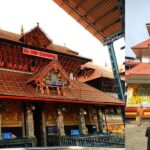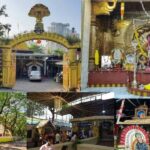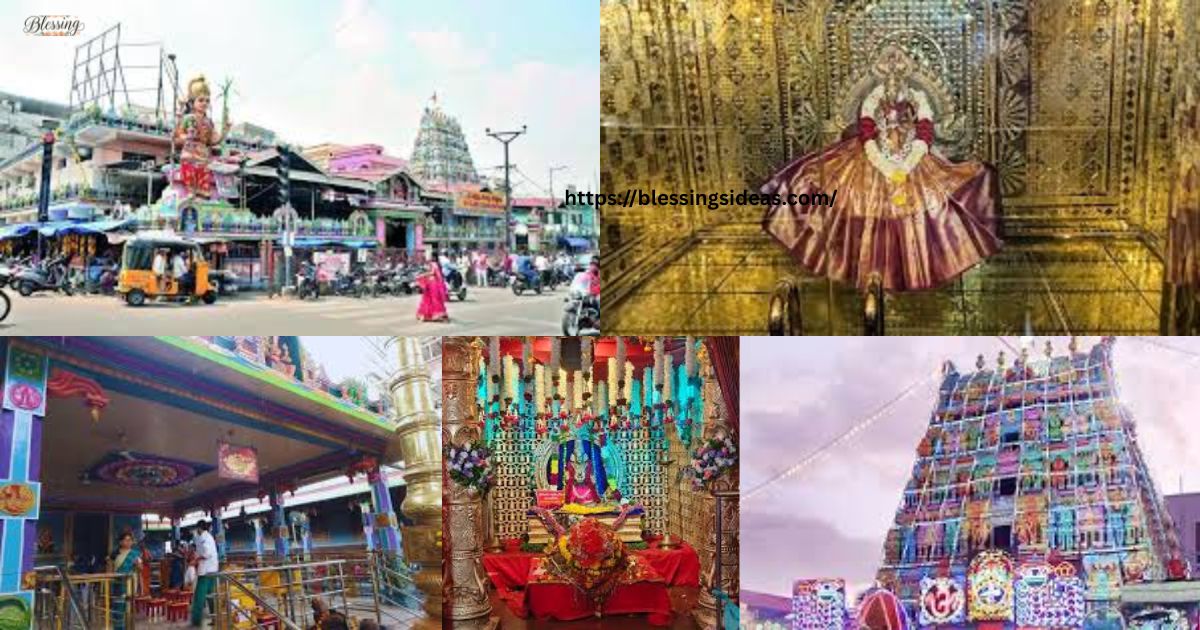
The Balkampet Yellamma Temple is one of Hyderabad’s most powerful Shakti shrines in Telangana, drawing lakhs of devotees every year. The temple opens at 6:00 AM and closes at 8:00 PM, with an afternoon break from 1:00 PM to 3:00 PM daily. At BlessInsideas, we verified timings, researched real visitor experiences, and compiled this complete guide so you plan a peaceful darshan.
The Essence of Goddess Yellamma Devi
Goddess Renuka Yellamma Devi is the Divine Mother worshipped across South India as the protector of all creation.
The name “Yellamma” means “Mother of All”, a title that reflects her universal compassion and power.
She is the wife of sage Jamadagni and mother of Lord Parashurama, the sixth avatar of Lord Vishnu.
Devotees from Telangana, Andhra Pradesh, Karnataka, and Maharashtra seek her blessings for health, fertility and family harmony.
A Spiritual Beacon in Hyderabad
The SR Nagar temple Hyderabad radiates divine energy through chants, temple bells, and the fragrance of jasmine garlands.
Priests perform rituals with deep devotion from dawn to dusk, making every darshan deeply moving.
The temple’s underground idol creates a rare spiritual atmosphere found nowhere else in the city.
A Place of Faith and Healing
The sacred Tirtham (holy water) at the foot of the idol is believed to heal skin diseases and mental ailments.
Devotees collect this water as prasadam especially during Bonalu and Yellamma Kalyanam. Prithvi Tatva worship, the earth element , is central to this temple’s spiritual identity.
Many devotees report emotional healing and resolution of long-standing family conflicts after performing poojas here.
Read More:प्रदीप मिश्रा के आगामी कार्यक्रम 2026 PDF – Shiv Mahapuran Katha Schedule
The Spiritual Magnet of Hyderabad
The temple draws over a million pilgrims each year during Bonalu and Yellamma Kalyanam festivals.
It is the cultural heartbeat of Telangana’s religious identity, recognized across all of South India.
No other urban Yellamma shrine in South India sees this level of devotion and footfall. The Hyderabad Shakti temple visit experience here is unmatched in its spiritual intensity.
History and Legends of Balkampet Yellamma Temple
This temple’s history stretches back centuries, rooted in legend and archaeological discovery. Its origins predate the founding of Hyderabad itself, making it one of the city’s oldest sacred sites.
Today it is managed by the Telangana Endowments Department, which oversees all rituals and seva bookings.
The temple was established in the 15th century CE, based on structural and historical evidence.
The Legend of Goddess Yellamma (Renuka Devi)
Renuka Devi collected water daily in a pot of river sand, held together purely by the power of her devotion.
One day her concentration wavered, and sage Jamadagni commanded Parashurama to behead her.
Parashurama obeyed, then prayed deeply, his father granted a boon and Renuka Devi was reborn as Yellamma Talli.
This story of transformation is the spiritual foundation of every Yellamma temple across the Deccan.
How the Temple Originated in Balkampet
Local villagers centuries ago noticed mysterious lights and divine vibrations rising from beneath the ground.
Upon excavation, they found the Goddess Yellamma idol underground, approximately ten feet below the surface.
Priests identified the deity and a temple was constructed over the sacred site. Local chieftains and Kakatiya-era kings later expanded it into a major pilgrimage destination.
Connection to Other Yellamma Temples in South India
Balkampet is among the five most significant Yellamma shrines across the Deccan region. Saundatti Karnataka Yellamma Peetham is the oldest .
But Balkampet is the most visited urban shrine. Each temple shares the same legend of Renuka Devi but has unique regional customs and rituals. Balkampet alone serves a modern urban population while preserving ancient ritual traditions.
Comparison: Major Yellamma Temples in South India
| Temple | State | Est. Period | Unique Feature | Crowd Level |
|---|---|---|---|---|
| Saundatti | Karnataka | Ancient | Original Yellamma Peetham | Very High |
| Badami | Karnataka | 6th Century | Cave temple worship | Moderate |
| Yellampally | Andhra Pradesh | Medieval | Traditional Renuka rituals | Moderate |
| Basavakalyan | Karnataka | Medieval | Powerful Shakti Peetham | High |
| Balkampet | Telangana | 15th Century | Underground idol + Tirtham | Very High |
Historical Importance in Hyderabad’s Culture
During the Kakatiya Dynasty Telangana (12th–14th centuries), Yellamma was worshipped as the guardian of women and villages.
Even during the Nizam era, the temple thrived as a symbol of Hyderabad’s religious coexistence.
The temple survived centuries of political change because of the unwavering faith of local communities. Today it stands as proof that ancient faith can coexist with a modern metropolitan city.
Spiritual Belief and Legacy
Fridays and Tuesdays are most auspicious, with women offering turmeric, bangles, and silk sarees to the Goddess.
Many devotees report miraculous recovery from illness after consistent poojas at this shrine. Devi Mahatmyam chanting during Pournami days amplifies the temple’s spiritual vibrations significantly.
Faith in this temple is deeply personal, passed down through Telangana families for generations.
Deity and Spiritual Significance of Balkampet Yellamma Temple
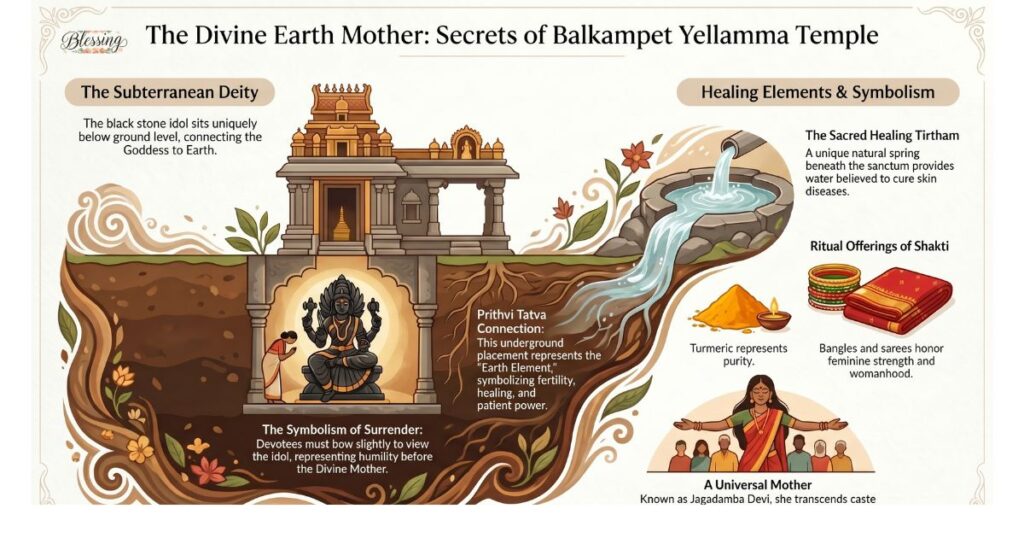
Goddess Yellamma embodies Shakti, the cosmic feminine force that sustains the universe. Her energy is both fierce and nurturing, protecting devotees while demanding complete surrender.
The temple’s architecture, rituals, and idol placement all carry deep symbolic meaning. Understanding the deity helps every devotee approach darshan with the right reverence and intention.
Who is Goddess Yellamma?
She represents the Parashurama mother goddess tradition ,powerful, forgiving, and universally compassionate.
She transcends caste and gender, her worship is open to all who come with sincere devotion. She is also known as Jagadamba Devi and Renuka Devi, each name reflecting a different divine quality.
Devotees call her Yellamma Talli , the ever-forgiving mother who never turns away a sincere soul.
The Idol of Goddess Yellamma at Balkampet
The black stone idol Yellamma sits approximately ten feet below ground level ,a feature unique in South Indian temples.
Devotees must bow slightly to view her, symbolizing surrender and humility before the Divine Mother.
The idol is adorned daily with fresh flowers, turmeric, vermilion, and silk sarees. This below-ground placement connects the Goddess to Prithvi Tatva, the earth element of fertility and healing.
Read More: TTD 1 Lakh Donation Benefits: How Many Years? Complete Guide 2026
The Holy Water (Tirtham)
A natural spring beneath the sanctum feeds the sacred Tirtham collected beside the idol. The holy water healing properties are believed to cure skin diseases and cleanse negative energy from the mind.
Priests distribute this water as prasadam especially during Yellamma Kalyanam and Bonalu festivals.
No other Yellamma temple in Hyderabad has this sacred natural spring within the inner sanctum.
Symbolism of Yellamma Worship
Turmeric offered to Yellamma symbolizes purity, fertility and the removal of evil energy. Bangles and sarees represent feminine strength and the honoring of womanhood in all its forms.
The underground idol symbolizes the hidden power of the earth, vast, patient, and life-giving. Every ritual here is a reminder that transformation through devotion is always possible.
Temple Timings and Darshan Schedule of Balkampet Yellamma Temple
Knowing the exact Balkampet Yellamma Temple timings saves you time and ensures a peaceful spiritual experience.
The temple follows a structured daily schedule verified through visitor reports and Endowments Department records.
Timings may change during festivals, so always verify before visiting. At BlessInsideas, we recommend calling ahead on special days to confirm current hours.
Daily Temple Timings
| Session | Opening Time | Closing Time | Notes |
|---|---|---|---|
| Morning Session | 6:00 AM | 1:00 PM | Busiest from 7–10 AM |
| Afternoon Break | 1:00 PM | 3:00 PM | Temple closed |
| Evening Session | 3:00 PM | 8:00 PM | Aarti at 6:30 PM |
Balkampet Yellamma Temple Tuesday Timings
Tuesday is the most auspicious day for Yellamma Talli darshan, drawing thousands of women devotees.
Special Kumkumarchana pooja and Abhishekam begin at 6:00 AM sharp on Tuesdays. Large groups offer turmeric, coconuts and bangles , darshan queues can run 1–2 hours long. Arrive before 7:00 AM on Tuesdays for a crowd-free, peaceful darshan experience.
Balkampet Yellamma Temple Sunday Timings
Sundays draw large family groups and devotees seeking Abhishekam to remove negative energies.
The temple opens at 6:00 AM, with the special Sunday Abhishekam starting around 6:30 AM. Evening darshan continues until 8:00 PM, with Maha Mangala Aarti at 6:30 PM.
Annadanam (free food service) is frequently offered on Sundays by devotee groups and donors.
Morning Rituals (Suprabhata Seva and Alankarana)
The Suprabhata Seva meaning is the dawn ritual that awakens the Goddess with Vedic hymns and lit lamps.
Priests recite Devi Mahatmyam and Lalitha Sahasranamam to create a divinely charged atmosphere.
The Alankarana ritual temple follows at 8:00 AM, silk sarees, gold jewelry, and fresh flowers adorn the Goddess. These morning rituals are the most spiritually powerful time to witness worship at Balkampet.
Daily Pooja Schedule
| Time | Seva / Ritual | Purpose |
|---|---|---|
| 6:00 AM | Suprabhata Seva | Awakening Goddess with Vedic chants |
| 6:30 AM | Abhishekam | Sacred bath with milk, turmeric, honey |
| 8:00 AM | Alankarana Seva | Floral and silk decoration of idol |
| 9:00 AM – 1:00 PM | Kumkumarchana & Darshan | 108 names recited + individual poojas |
| 12:30 PM | Noon Aarti & Naivedyam | Food offering and midday aarti |
| 1:00 PM | Temple Closes (Break) | Afternoon rest period |
| 3:00 PM | Evening Darshan Opens | Evening session begins |
| 6:30 PM | Maha Mangala Aarti | Camphor lamps waved before Goddess |
| 8:00 PM | Temple Closes | Day ends |
Aarti Timings
Three main Maha Mangala Aarti timing events take place daily , 6:30 AM, 12:30 PM, and 6:30 PM.
The evening aarti is the most vibrant , camphor flames, oil lamps, and the chant “Yellamma Talli Jai!” fill the entire temple.
The noon aarti is shorter but equally sacred, performed right after the Naivedyam offering. All three aartis are open to all devotees , no ticket required to witness them.
Balkampet Yellamma Temple Timings During Navratri
During Navaratri, the temple opens as early as 5:30 AM and closes at 10:00 PM or later on key nights.
The Goddess is dressed in nine different divine forms across nine days , Mahalakshmi, Saraswati, Annapurna and more.
Special Devi Homams are performed each evening, drawing massive devotee crowds across the city. Annadanam is available throughout all nine festival days, funded by community donations.
Special Sevas and Booking Information
Book sevas online through the Telangana Endowments Department portal or at the temple counter in person.
| Seva Name | Approx. Cost | Best Booked |
|---|---|---|
| Abhishekam Seva | ₹300 | Online, 1 day ahead |
| Kumkumarchana Seva | ₹100 | At counter, same day |
| Alankarana Seva | ₹500 | Online, 2 days ahead |
| Yellamma Kalyanam Ticket | ₹1000 | Online, weeks ahead |
| Annadanam Donation | Flexible | At temple |
Dress code: Traditional Indian attire is strongly recommended. Avoid short clothing. Photography: Not permitted inside the inner sanctum.
Allowed in outer premises only. Darshan queue time: 30–45 minutes on weekdays; 1–2 hours on Tuesdays, Fridays and festivals.
Best Time for Darshan
The best crowd-free darshan early morning window is weekdays between 6:30 AM and 9:00 AM.
Avoid visiting on Tuesdays after 8:00 AM during Ashada Masam, queues can stretch for hours.
Chaitra Masam festival (March–April) is ideal for Yellamma Kalyanam; Navaratri (Sept–Oct) for cultural programs.
Wednesday or Thursday mornings offer the calmest, most peaceful darshan experience of the week.
Major Festivals Celebrated at Balkampet Yellamma Temple
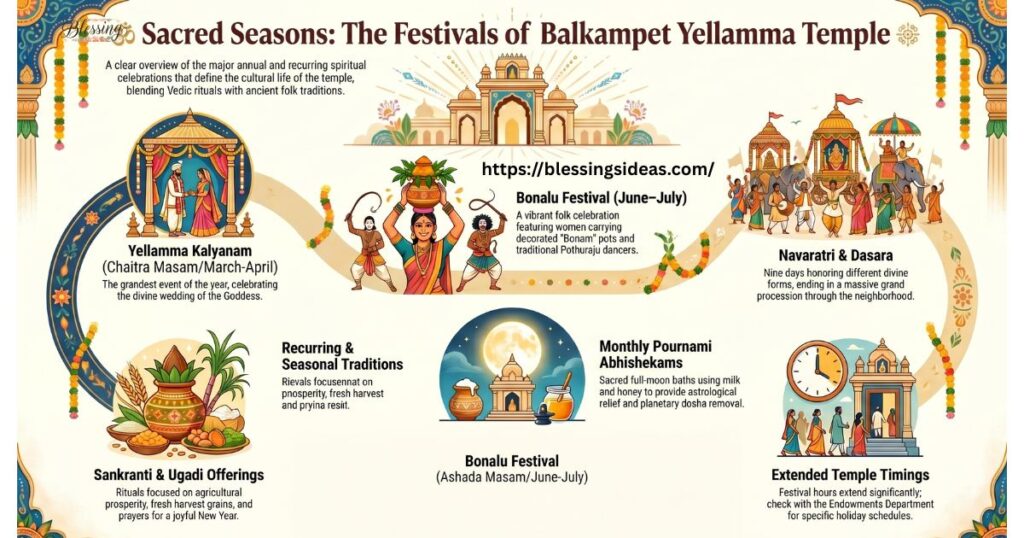
Each festival at this temple is a living cultural event that brings all of Telangana together. The Goddess is celebrated through ancient folk arts, Vedic rituals and massive community feasts.
Festival-day temple timings extend significantly , always verify with the Endowments Department beforehand. These festivals are the best time to witness Telangana’s spiritual traditions in their full glory.
Yellamma Kalyanam — The Divine Marriage Festival
The Yellamma Kalyanam celebration marks the divine wedding of Goddess Yellamma and Lord Keshava Swamy.
It is held during Chaitra Masam festival (March–April) and is the grandest event of the entire temple year.
The Goddess is adorned as a bride with turmeric, jewelry, and silk, Vedic Kalyana Mahotsavam is chanted throughout.
The temple stays open from early morning until midnight , attendance is believed to resolve fertility and family conflicts.
Bonalu Festival — The Spirit of Telangana
Bonalu is Telangana’s most vibrant folk festival, celebrated during Ashada Masam significance (June–July).
Women carry decorated pots (Bonam) filled with rice, curd, and jaggery in colorful street processions.
Pothuraju dancer Bonalu and Dappu drummers Telangana perform traditional rituals that date back centuries.
The Ashada Jathara procession, a month-long spiritual celebration, runs alongside Bonalu at Balkampet.
Navaratri and Dasara Festival
Nine days of worship honor nine divine forms of the Goddess,each day with a unique alankaram and color.
On Vijaya Dashami, a grand Shobha Yatra procession winds through the Balkampet neighborhood.
Cultural programs, bhajan recitals, and Devi Homams are held every evening during Navaratri.
This is the best time to witness the full spectrum of Telangana’s Shakti worship traditions in one place.
Shankranti and Ugadi
On Makar Sankranti, devotees offer fresh harvest grains and sweets to thank the Goddess for prosperity.
Ugadi (Telugu New Year) brings prayers for a joyful, obstacle-free new year cycle ahead. These festivals emphasize Yellamma’s role as the protector of agriculture, family abundance, and community wellbeing.
Simple, heartfelt offerings are central to both , elaborate poojas are not required to receive her blessings.
Pournami (Full Moon Day) Abhishekams
Every full moon is marked by the Pournami Abhishekam, a sacred bath with milk, honey, and turmeric for the Goddess.
Devi Mahatmyam chanting fills the temple from morning to evening on Pournami days every month.
Planetary dosha removal rituals are performed by senior priests, sought by many for astrological relief. Many devotees observe full-day fasting and break it only after the evening aarti on Pournami.
Poojas, Sevas and Rituals at Balkampet Yellamma Temple
The temple follows a disciplined and precise ritual schedule rooted in ancient Agamic traditions.
The Abhishekam seva booking is the most popular seva, it includes a sacred bath for the deity with panchamruta.
The Naivedyam offering goddess includes rice, fruits, coconut, and sweets, offered twice daily to the Goddess.
The turmeric offering Yellamma by women devotees is the temple’s most iconic ritual , performed thousands of times each day.
Daily Poojas and Rituals
- Suprabhata Seva (6:00 AM): Vedic hymns awaken the Goddess at dawn
- Abhishekam (6:30 AM – 8:00 AM): Sacred bath with milk, honey, turmeric, and sandalwood paste
- Alankarana Seva (8:00 AM): Silk sarees and gold jewelry adorn the idol
- Kumkumarchana Pooja (9:00 AM – 1:00 PM): 108 names of Yellamma recited with kumkum
- Noon Aarti & Naivedyam (12:30 PM): Food offering and midday camphor aarti
- Evening Maha Mangala Aarti (6:30 PM): Camphor lamps and devotional music close the day
Route Map and How to Reach Balkampet Yellamma Temple
The temple sits at Balkampet Road, BK Guda, Hyderabad, Telangana 500038, near the iconic SR Nagar temple Hyderabad neighborhood.
It is one of the most accessible Shakti temples in Hyderabad, reachable by metro, bus, or road. Search “Balkampet Yellamma Temple Hyderabad” on Google Maps for live turn-by-turn navigation.
Allow extra travel time on Tuesdays, Fridays, and festival days due to heavy traffic near the temple.
Balkampet Yellamma Temple Distance from Key Locations
| Starting Point | Distance | Travel Time | Best Mode |
|---|---|---|---|
| Ameerpet | 2 km | 5–10 min | Auto / Metro |
| SR Nagar | 1 km | 5 min | Walk / Auto |
| Begumpet | 4 km | 15 min | Auto / Cab |
| Secunderabad Railway Station | 9 km | 25–30 min | Metro + Auto |
| Hitech City | 10 km | 30 min | Metro + Auto |
| Rajiv Gandhi International Airport | 36 km | 50–60 min | Cab |
Balkampet Yellamma Temple Bus Number
TSRTC bus Balkampet routes connect the temple to all major city zones easily.
- From Secunderabad: Bus numbers 10K, 47L, 218
- From Mehdipatnam: Bus numbers 9X, 47Y, 218
- From Kukatpally: Bus numbers 10H, 19M, 47K
The Balkampet Bus Stop is just a 2-minute walk from the temple entrance.
By Metro (Most Convenient)
The SR Nagar Metro Station Red Line is just 1 km from the temple, the fastest option on festival days.
Ameerpet Metro Station (2 km) connects both Red and Blue metro lines, giving full city-wide access.
An autorickshaw from either station costs approximately ₹20–₹30 and takes under 5 minutes. Balkampet temple parking facility: Limited parking is available on Balkampet Road — metro is strongly recommended on festival days.
Balkampet Yellamma Temple Location Summary
- Temple Name: Balkampet Yellamma Temple (Sri Yellamma Pochamma Devasthanam)
- Deity: Goddess Renuka Yellamma Devi
- Address: Balkampet Rd, BK Guda, Balkampet, Hyderabad, Telangana 500038
- Managed by: Telangana Endowments Department
- Nearest Metro: SR Nagar Station (Red Line) — 1 km
- Entry Fee: Free for all devotees
Personal Experience and Recommendation
I visited Balkampet Yellamma Temple on a quiet Wednesday morning at 6:45 AM , the atmosphere was profoundly calm. The black stone idol ten feet underground left me speechless; bowing to view her felt like a deeply personal act of surrender. At BlessInsideas, we strongly recommend weekday mornings for first-time visitors — you will leave feeling genuinely renewed.
Frequently Asked Questions
Which day is good to visit Balkampet Yellamma Temple?
Tuesday and Friday are the most auspicious days. Arrive before 7:00 AM to avoid long queues and enjoy a peaceful darshan.
What is the time of Yellamma Temple?
The temple opens at 6:00 AM and closes at 8:00 PM daily, with an afternoon break from 1:00 PM to 3:00 PM.
Is photography allowed in Balkampet temple?
Photography is not permitted inside the inner sanctum. It is allowed only in the outer temple premises.
How to book Abhishekam at Balkampet temple online?
Visit the Telangana Endowments Department portal and search for Balkampet Yellamma Temple seva booking options.
What prasadam is given at Yellamma temple?
Devotees receive sacred Tirtham (holy water), kumkum, and coconut prasadam after completing their darshan.
Conclusion
The Balkampet Yellamma Temple is far more than a place of worship . It is a living spiritual institution at the heart of Hyderabad. The temple opens at 6:00 AM daily and closes at 8:00 PM, with festivals extending hours significantly. Tuesday and Friday mornings, or any quiet weekday at dawn, offer the most rewarding darshan experience. Plan your visit with BlessInsideas and may Yellamma Talli bless every step of your journey.

Alich, a skilled content writer with 3+ years of experience, known for creating clear guides and 1000+ published articles across multiple niches.