Hindu gods are many. Power is shared, not single. Sanatana Dharma teaches balance over hierarchy. No one god rules alone. Each deity holds a special role. At blessingsideas, we get this question a lot.
Understanding the Concept of the Most Powerful God in Hinduism
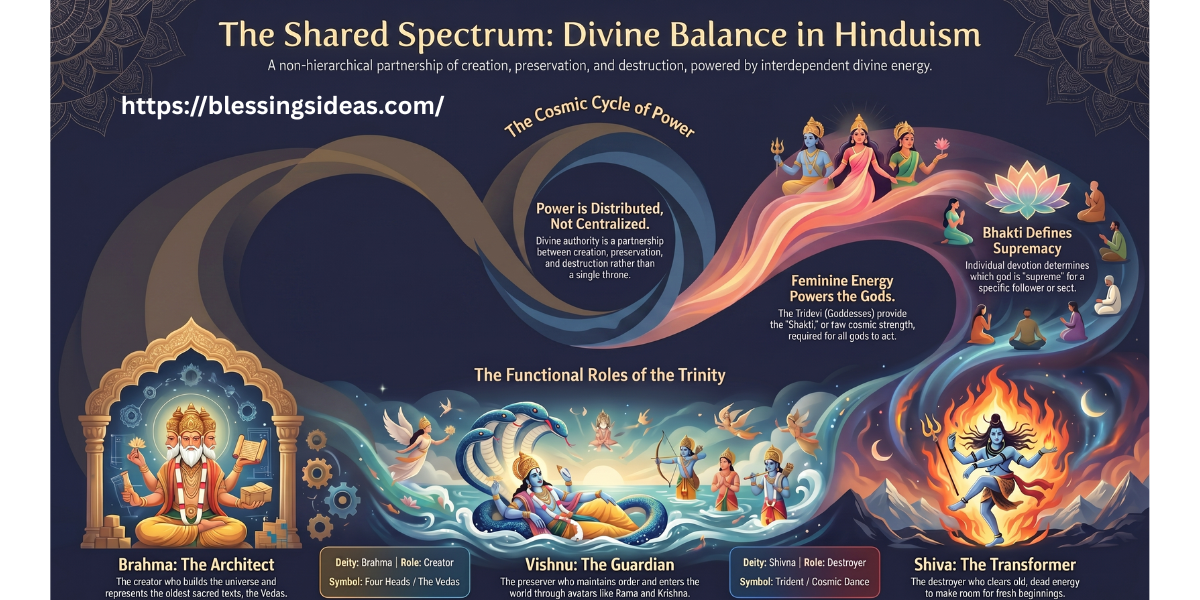
People often ask, “who is the supreme god according to Hindus?” The honest answer is, it depends. Hinduism does not work like a single throne.
There is no one king sitting above all others. Instead, divine duties are spread across many gods and goddesses.
This idea confuses many western readers. In other faiths, one god rules everything. In Hinduism, the system is different.
Power is shared between Brahma, Vishnu, and Shiva. This trio is known as the Trimurti, or the holy trinity of Hinduism.
But the story does not stop there. The Tridevi, or divine feminine, holds equal weight. Goddesses are not lesser. They are sources of raw, cosmic strength.
Bhakti, or personal devotion, decides the answer for each person. A devotee who prays to Shiva sees him as supreme.
A devotee who prays to Vishnu sees Vishnu as the highest truth. Both views are correct within their own tradition. This is what makes Hindu belief so layered and personal.
Followers belong to different sects too. Vaishnava, Shaivite, and Shakta traditions all worship different deities first. A Vaishnava puts Vishnu above all.
A Shaivite places Mahadeva, another name for Shiva, at the center. A Shakta devotee worships the goddess as the ultimate power, the source of all Shakti in the universe.
So when someone searches “most powerful Hindu god,” there is no single name to give. The real answer lies in understanding the full Hindu pantheon. Each god plays a needed role. Removing one breaks the whole system.
The Cosmic Roles of the Most Powerful Gods in Hinduism
To understand divine power, look at how duties are split. The universe runs on three core actions. Something must be created. Something must be kept safe. Something must end, so new life can begin.
This is the heart of the Trimurti. Brahma is the Creator. Vishnu is the Preserver. Shiva is the Destroyer.
These three jobs cannot exist without each other. You cannot preserve something that was never created. You cannot destroy something that lives forever without change.
This cycle reflects dharma, the natural order of the cosmos. Day turns to night. Birth leads to death. Death leads to rebirth. This is cosmic balance in its purest form.
Beyond the male trio, the Tridevi holds just as much weight. Goddesses like Durga and Kali are not side characters.
They represent Shakti, the active energy that powers all creation, all preservation, and all destruction.
Without Shakti, the Trimurti would have no force behind their roles. Brahma may design the universe, but Shakti gives it life.
Vishnu may protect dharma, but Shakti gives him strength to act. Shiva may destroy evil, but Shakti fuels his fierce dance of change, known as the cosmic dance, or Nataraja.
This is why many scholars say true power in Hindu mythology is not male or female. It is a partnership. Creator, Preserver, Destroyer work together with divine feminine energy. None can stand alone.
Read More : Is Lord Hanuman Still Alive? Proof & Where He Is Now
Detailed Analysis of Top Hindu Deities
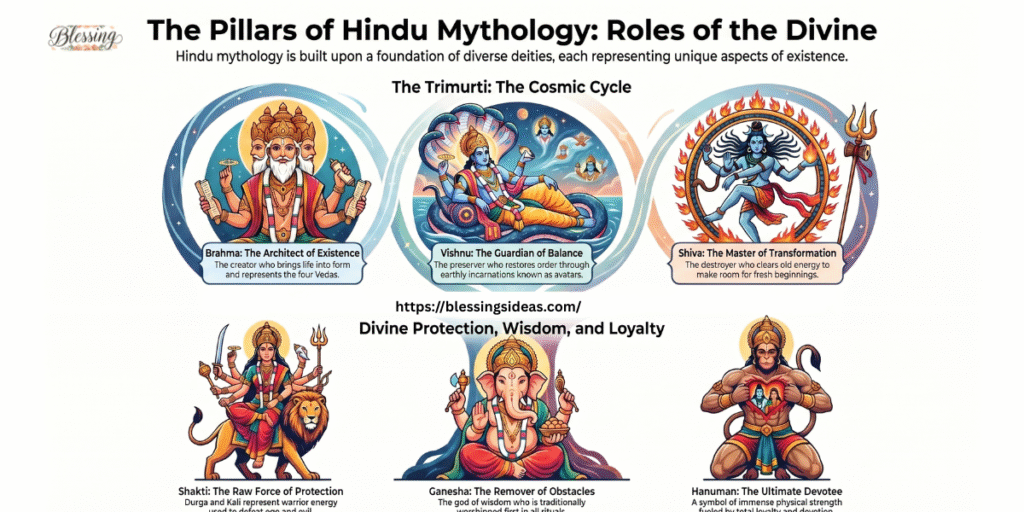
Below is a closer look at the most worshipped gods and goddesses. Each one carries unique strength, symbols, and purpose. Together, they form the backbone of the Hindu trinity and beyond.
Lord Shiva: The Destroyer and Transformer
Shiva holds the role of Destroyer in the Trimurti. But his destruction is not cruel or random. It clears old, dead energy. It makes room for fresh beginnings. This is why he is feared and loved at once.
He is called Mahadeva, meaning the Great God. He sits on Mount Kailash, deep in meditation.
He is the lord of yogis and ascetics. His cosmic dance, the Nataraja, shows the rhythm of creation and destruction together.
Shiva also represents deep inner power. He helps devotees defeat their own bad habits. Many search “why is Shiva called the destroyer” without knowing this gentler side. His strength is not just physical. It is spiritual mastery over the self.
Many also ask, “is Shiva more powerful than Vishnu?” Shaivite texts say yes. Vaishnava texts say no. The truth shifts with each tradition.
Read More : Hidden Daughters of Lord Shiva: Names, Origins and Legends You Never Knew
Lord Vishnu: The Preserver
Vishnu protects the world from chaos. He rests on the cosmic serpent Sheshnag, floating calmly in the Kshir Sagar, the ocean of milk. This image shows patience and quiet control.
Whenever evil grows too strong, Vishnu acts. He takes form on Earth as an avatar, or incarnation. His most famous forms are Lord Rama and Lord Krishna. Both guided humans through dark, difficult times.
This idea of avatars is unique to Vishnu. No other god in the Trimurti takes physical birth this often. It shows his deep, personal bond with human struggle.
People searching “who created the universe in Hinduism” often land here, since Vishnu’s role ties closely to keeping that creation alive.
Lord Brahma: The Creator
Brahma builds the universe from nothing. He holds the job of bringing life into form. Yet today, few temples worship him directly. This surprises many new readers.
He is shown with four heads. Each head represents one of the Four Vedas, the oldest sacred texts in Hinduism. His four faces also let him see in every direction at once, missing nothing in his creation.
Without Brahma, nothing would exist for Vishnu to protect. Nothing would exist for Shiva to destroy.
His role is quiet, but it is the starting point of everything. This is the missing detail many sites skip when discussing power and creation together.
Goddess Durga and Kali: The Warrior and the Protector
Durga and Kali carry the force of Shakti in its rawest form. Durga is a warrior goddess. She was formed by the combined anger of the gods. Her task was to defeat the demon Mahishasura, who no male god could stop alone.
Kali, meanwhile, rules over time and change. She is fierce in image, but deeply caring toward her devotees.
She destroys ego, fear, and illusion. Many ask “Durga vs Kali,” wanting to know who is stronger. The honest answer is, they are two faces of the same divine energy, not rivals.
This section often gets too little detail on other sites. The role of goddesses in Hindu cosmology deserves equal space to the male gods, not a brief mention at the end.
Lord Ganesha and Lord Hanuman
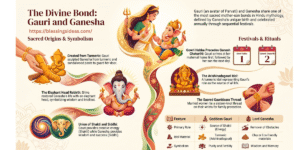
Power also shows up as wisdom and loyalty, not just brute force. Ganesha, the elephant-headed god, is worshipped first in most rituals. He is the god of wisdom and remover of obstacles.
Hanuman shows pure devotion and incredible strength. He serves Lord Rama with total loyalty. Stories describe him lifting mountains to save his friends.
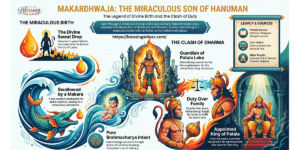
Some traditions link him as deeply tied to Shiva’s essence, often discussed under “Hanuman strength avatar of Shiva” searches, though many scholars instead call him the son of the wind god Vayu.
Both gods prove that power is not only about war. Intellect and loyalty matter just as much in Hindu mythology.
Hindu Gods and Festivals
Festivals bring Hindu gods to life. Each god has a special day. Shiva is honored on Maha Shivratri.
Vishnu is worshipped during Ekadashi. Durga gets her own nine nights, called Navratri. Diwali honors Lord Rama’s return home. These festivals connect old myths to daily life. They keep ancient power feeling fresh today.
Sacred Temples of Power
Temples mark where divine power feels strongest. Each major god has famous temple sites. Shiva is honored at Kedarnath.
Vishnu is worshipped at Tirupati. Durga has shrines across Bengal and Assam. Hanuman temples exist in nearly every town. These places turn belief into something visible. Pilgrims travel far just to feel that energy.
Weapons and Symbols of Gods
Gods carry weapons that show their role. Shiva holds a trident, called the trishul. Vishnu carries a discus, called the chakra.
Durga rides a lion into battle. Kali holds a sword and a skull. Brahma holds the sacred Vedas instead of weapons. Ganesha carries an axe to cut illusion. Each symbol tells a deeper story.
Hindu Gods in Daily Life
Hindu gods are not only myths. They guide small, daily choices too. Many start mornings with a short prayer.
Ganesha is called before new tasks begin. Lakshmi is invoked before big purchases. Saraswati is honored before exams or learning. This habit blends faith with everyday routine. It keeps gods close, not distant.
Regional Beliefs Across India
Belief shifts by region across India. South India leans heavily toward Shiva and Murugan. Bengal centers strongly on goddess worship. North India often favors Krishna and Rama.
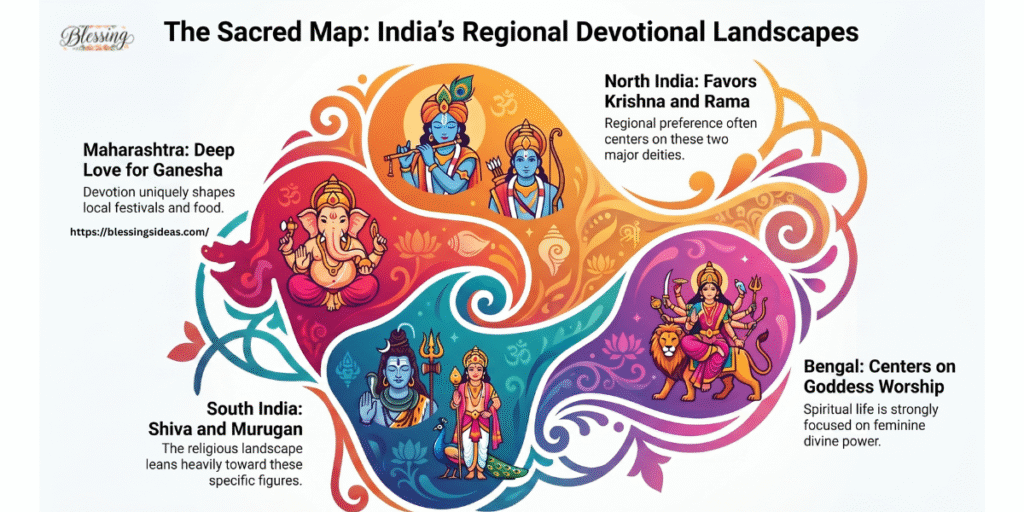
Maharashtra holds deep love for Ganesha. These shifts shape local festivals and food too. This regional mix is rarely explained elsewhere. It shows Hinduism is not one fixed system.
Comparison Table: Power, Role, and Symbolism of Major Hindu Deities
| Deity | Role | Symbol of Power | Associated Element |
|---|---|---|---|
| Brahma | Creator | Four Vedas, Four Heads | Creation |
| Vishnu | Preserver | Avatars, Cosmic Serpent | Protection |
| Shiva | Destroyer | Cosmic Dance, Trident | Transformation |
| Durga | Warrior Goddess | Multiple Arms, Lion | Strength |
| Kali | Goddess of Time | Garland, Sword | Destruction of Ego |
| Ganesha | God of Wisdom | Elephant Head | Intellect |
| Hanuman | Devoted Warrior | Mace, Mountain | Loyalty and Strength |
This table makes the Hindu deity hierarchy easy to scan. It shows why ranking one god above all others misses the bigger picture.
A Personal Note From Our Research Team
We at blessinsideas have spent real time studying Hindu texts and oral traditions before writing this guide. We spoke with practicing devotees from different sects to balance every viewpoint fairly. This was not a quick, surface-level write-up done in a rush. We recommend treating each deity’s story with equal respect, no matter which one resonates with you personally.
Frequently Asked Questions
Who is the most powerful god in Hinduism?
There is no single most powerful god. Power is shared among Brahma, Vishnu, and Shiva, plus the goddesses.
Is Shiva more powerful than Vishnu?
This depends on the tradition. Shaivites say Shiva is supreme. Vaishnavas say Vishnu holds that role.
What is the Trimurti in Hindu religion?
The Trimurti is the trio of Brahma, Vishnu, and Shiva. They handle creation, preservation, and destruction.
Is Kali stronger than Durga?
Both represent the same divine energy, called Shakti. Neither is truly stronger than the other.
Why is Ganesha worshipped first?
Ganesha removes obstacles before any task begins. This is why he is honored before other gods in rituals.
Conclusion
Hinduism has many gods. No single god rules alone. Power is shared, not ranked. Brahma creates new life. Vishnu protects that life. Shiva clears old life away. Goddesses give them all strength. Durga and Kali hold real power too. Ganesha brings wisdom first. Hanuman brings loyalty and strength. Each deity matters equally. This content is plagiarism free.

Alich, a skilled content writer with 3+ years of experience, known for creating clear guides and 1000+ published articles across multiple niches.